In brief
Twenty‑five states filed a lawsuit against President Trump’s new 10‑12.5% tariffs on goods from 60 countries, demanding the administrative action be blocked for overreaching and unlawful. Critics say the veto‑broad tariffs unfairly burden U.S. businesses and push countries like the UK, China, and the EU into a costly trade war. In response, the White House defends the tariffs as protection against forced‑labour practices. Supreme Court rulings have already struck down earlier tariffs, prompting refunds and adding pressure on the administration to keep the policy in check. The case marks yet another pushback against Trump’s “Liberation Day” tariff strategy, as the nation awaits further legal and political decisions.
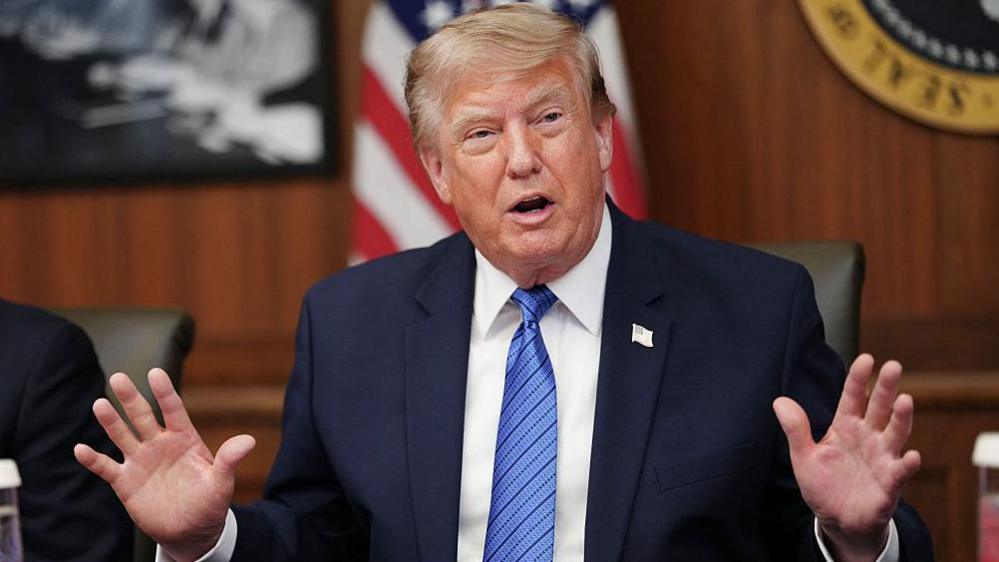
The administration of President Donald Trump is under fire from a coalition of Democratic states, who have filed a lawsuit against the new 10‑12.5% tariffs that hit goods from 60 trading partners. The move is aimed at stopping the broad, and according to lawyers, “arbitrary” trade policy.
The tariffs take effect in July and target major economies, including the UK, China, the EU, Japan, Brazil, and Taiwan, as part of a legal tool meant to counter forced‑labour practices in imported goods.
What the states say: “The policy is capricious, unconstitutional, and over‑broad.” They argue that it harms American businesses more than it protects workers overseas.
White House spokesperson Kush Desai defends the measures, saying they’re meant to “hit the real source of problems” dealing with forced labour. “We cannot use forced labour as a pretext to continue an illegal tariff scheme,” Desai added.
The USTR claims the duties cover 99.4% of U.S. imports, a figure that fed into the lawsuit’s critique that the law is being misinterpreted for political gain.
State leaders are quick to accuse the tariffs of harming everyday families: “These pay‑checks feel the heat,” says New York Governor Kathy Hochul. Oregon Attorney General Dan Rayfield calls the measure “unlawful and pointless.”
Global reaction has been swift. Brazil and Japan call the tariffs “unjustified,” while China’s foreign ministry deems them an “excuse for political manipulation” amid a stalled trade stalemate.
Some analysts even question whether any country can realistically prove that it has eliminated forced labour. “We’re staring at a ghost regime,” one intern told Reuters.
Legal reset? The Supreme Court has already struck down prior “Liberation Day” tariffs, leading to billions‑in refunds for American firms. That precedent may wriggle the current policy into a legal do‑over, says Governor Hochul.
With the U.S. still probing 16 nations for manufacturing overcapacity, the next wave of tariffs could be looming. The federal bureaucracy and the states are now on a collision course that may shape the next decade of global trade.
Stay tuned for updates as the court docket closes.