In brief
Families of 9/11 victims today still feel the pain of that September day, even 25 years on. The legal fight over Khalid Sheikh Mohammed’s trial is stalled, with the case set for 2028 and questions about evidence raised by torture. Victims’ relatives have travelled to Guantanamo for pre‑trial hearings, hoping for a definitive verdict, but fear they may never see it. Meanwhile the US government faces criticism over the use of CIA “black sites” and the impact on the justice process. These families hope for closure before their own memories fade.
Twenty‑five years have passed since the attacks on 9/11, yet the emotional wounds of many families haven’t closed. Their hope for justice remains tangled in a legal maze that started almost immediately after that Monday.
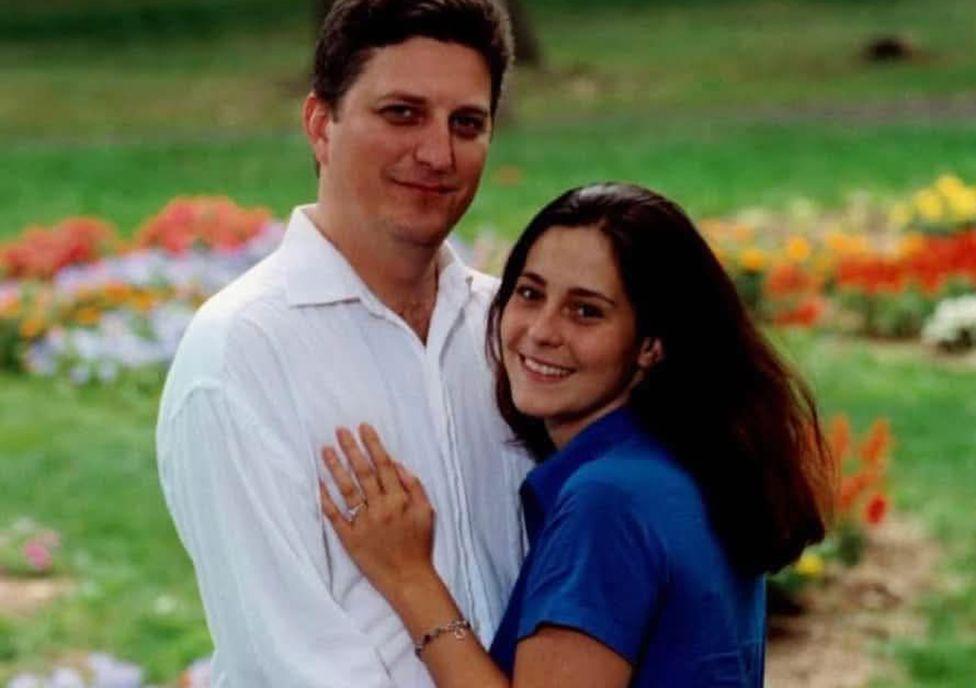
John Resta’s wife, Sylvia, was seven months pregnant when the Twin Towers fell. The couple’s photo shows them smiling behind the garden lights, but behind the smile the memory of a lost family remains. Over 2,900 people died that day, and families still march, sit in quiet corners, and wait for news on the trial of Khalid Sheikh Mohammed—often called the “mastermind” of the attacks.
The US military, which keeps Mohammed locked at Guantanamo Bay, has postponed his trial repeatedly. In early “last month” a new date was set for June 2028, but the journey to that courtroom was delayed even more when a judge threw out statements Mohammed made while in CIA “black sites”. These statements were said to be made under extreme pressure and are now barred from evidence in court.
Sending families to the base is not a simple affair. They are entered into a lottery, and only a handful can watch the proceedings from a security‑wall, surrounded by glass that separates them from the suspects. Witnesses describe the experience as “laborious and tedious” and alarmed by the unsettling silence.
Resta, who has attended Guantanamo four times, says he is still cautious. He worries that his father, 98, and other relatives may not live long enough to see Mohammed convict. He asks, “I hope all the defendants will still be alive by the time we get to trial.”
Legal experts point the delay to the controversy over torture. An international law professor notes, “Every single issue has been litigated through the issue of torture.” The prosecution’s main evidence—phone traces, confessions, and secret recordings—faces a battle over whether or not it can survive the court’s scrutiny.
Meanwhile, the US administration blocked a plea deal that had been offered to Mohammed and his co‑conspirators. Prosecutors aimed for a “death penalty trial,” but the government argued that the deal would deprive the American public of a full trial, potentially causing irreparable harm. Those same families, like Brett Eagleson whose father was killed, want the court to run openly.
On the anniversary of 9/11, a city’s skyline lit in remembrance reminds some that the attacks are still fresh. But the legal fight moves ahead, maybe asking the public to remain patient. The next fight will be at a military court, likely lasting a year—much longer than most people can remember the events.
For families who live under the memory of those tragic days, every new slip of the legal system is a reminder that reality has stretched and stretched. They keep telling themselves that ending the trial will solve the pain, even though the journey may take decades longer than a game of football. The fight to see a guilty verdict goes on—just as the grief does.