In brief
The US government, led by President Trump, is implementing stricter measures against Cuba, reinforcing travel bans and targeting economic practices benefiting the Cuban government.
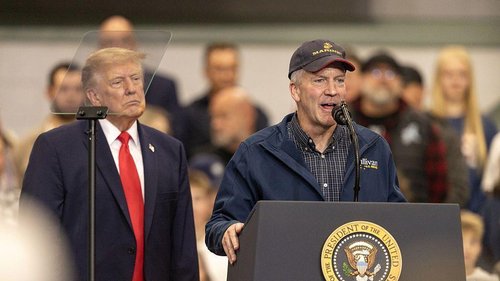
President Trump has recently signed a memorandum tightening the US's policy on Cuba, signifying a shift back to more restrictive measures following the previous administration's easing of sanctions. The new rules aim to strengthen the enforcement of a ban on American tourism, impacting one of Cuba's major sources of income.According to the White House, this memorandum will also oppose international efforts to end the long-standing US embargo against Cuba. Cuban officials, including Foreign Minister Bruno Rodríguez, have condemned the regulations, stating they intensify the economic blockade that affects ordinary citizens and hinders national growth. While American tourist travel is already limited to specific categories like family visits and educational programs, the memorandum now mandates rigorous audits and record-keeping of all travel-related transactions. Furthermore, it prohibits US citizens from engaging in business with GAESA, a Cuban military-run conglomerate overseeing many hotels.As Cuba faces considerable economic challenges, including severe shortages and power outages, the tourism sector is especially vulnerable. The memorandum emphasizes Trump’s commitment to promoting a democratic Cuba amidst ongoing hardships under current governance. Despite the tough policies, Trump maintains strong support from the Cuban-American community. However, his administration's decision to eliminate Temporary Protected Status (TPS) for many Cubans was met with disappointment from that same demographic, highlighting the complexity of sentiments surrounding US-Cuba relations.