As thousands of displaced Gazans start their journey home after 15 months, the situation remains precarious. The Gaza Strip may be geographically small, but the rebuilding process looms large for its residents. Gazan journalist Ghada el-Kurd emphasizes the devastating lack of essential services: "There are no facilities, no electricity, no water, no infrastructure." Despite a flow of aid to meet basic needs, long-term recovery is still a distant goal.
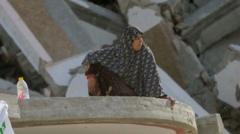
The UN reports that around 70% of Gaza's structures have suffered damage since the onset of the conflict, creating an urgent need for shelter. The Hamas-run government has called for 135,000 tents, while the UN struggles to meet soaring demands as local residents start returning. Families like Asmaa Tayeh's face new housing issues, with multiple families crammed into single apartments, increasing tensions and competition for resources.
Interestingly, despite the challenges of returning, many residents express hope and excitement about their journey back. Yet, rising prices for goods in local markets highlight the struggles that lie ahead.
While suggestions have been put forward for neighboring countries to temporarily house displaced Gazans, officials in Egypt and Jordan have rejected these ideas, citing potential social unrest and security concerns. Politically, some Israeli figures have fueled these discussions, advocating for large-scale changes in Gaza's population dynamics.
As journalist Ghada el-Kurd warns, unless Gaza's reconstruction is quickly addressed, many may seek new lives abroad. With ongoing uncertainty, Gazans face a crossroads: rebuild at home or risk losing their future altogether.
The UN reports that around 70% of Gaza's structures have suffered damage since the onset of the conflict, creating an urgent need for shelter. The Hamas-run government has called for 135,000 tents, while the UN struggles to meet soaring demands as local residents start returning. Families like Asmaa Tayeh's face new housing issues, with multiple families crammed into single apartments, increasing tensions and competition for resources.
Interestingly, despite the challenges of returning, many residents express hope and excitement about their journey back. Yet, rising prices for goods in local markets highlight the struggles that lie ahead.
While suggestions have been put forward for neighboring countries to temporarily house displaced Gazans, officials in Egypt and Jordan have rejected these ideas, citing potential social unrest and security concerns. Politically, some Israeli figures have fueled these discussions, advocating for large-scale changes in Gaza's population dynamics.
As journalist Ghada el-Kurd warns, unless Gaza's reconstruction is quickly addressed, many may seek new lives abroad. With ongoing uncertainty, Gazans face a crossroads: rebuild at home or risk losing their future altogether.