In brief
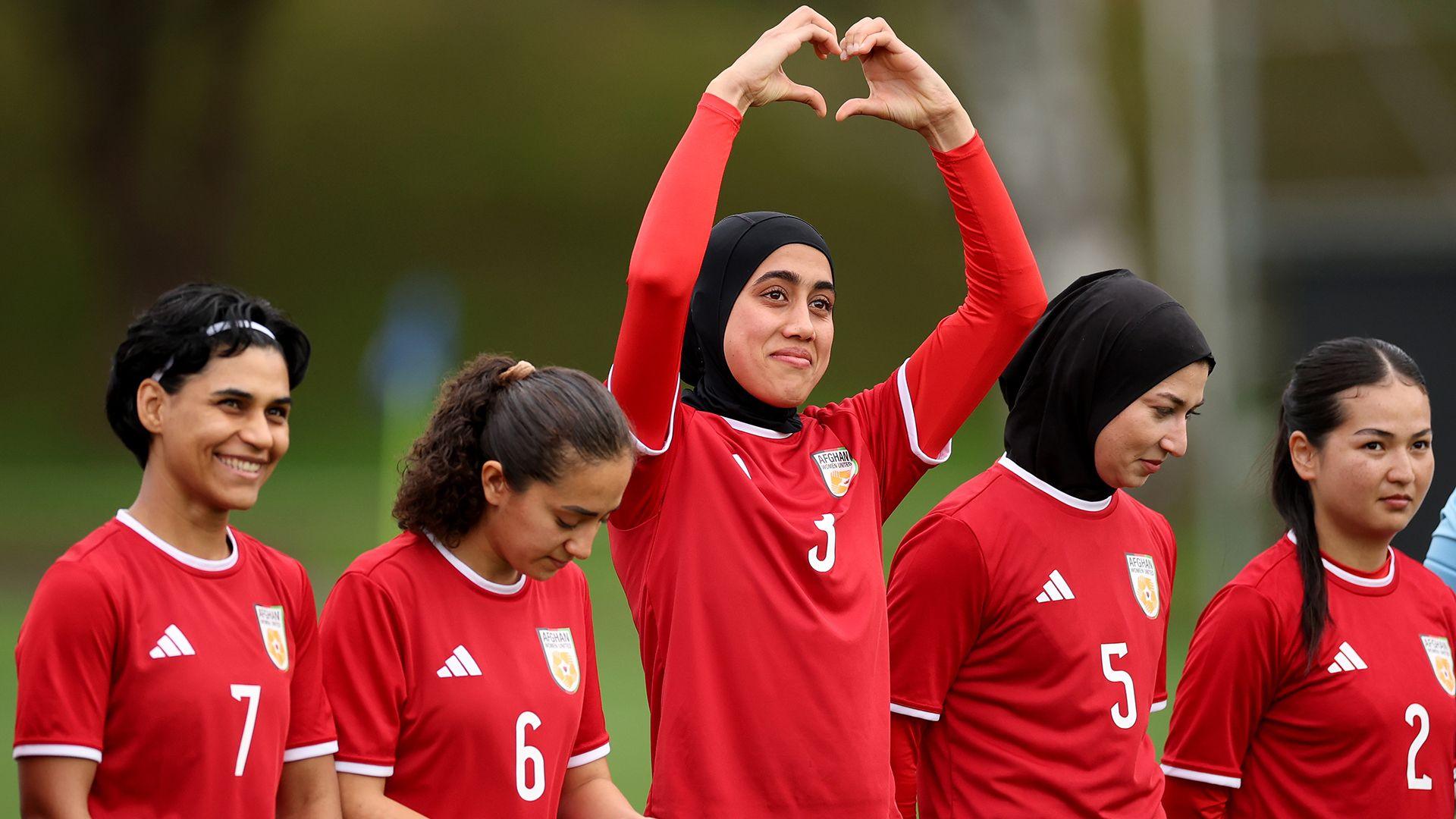
The Taliban banned Afghan women from football, but FIFA’s 2026 ruling cleared the way for the national team to play official matches. 23 players have flown to Auckland for a training camp and two friendlies against the Cook Islands. Their journey from exile to the field echoes broader struggles for women’s rights and global sports inclusion. Interviews reveal personal stories of resilience, hope and the dream of one day qualifying for the World Cup.
Three‑plus years of exile ended when FIFA lifted a ban that had kept Afghan women from playing on the field. Since the Taliban takeover in 2021, the country’s women’s team was formally disbanded, and players were forced to flee abroad or endure silence.
Now the squad of 23, drawn from diaspora communities in Australia, the UK, Portugal and elsewhere, has flown to New Zealand for a two‑day training camp. Their aim: two unofficial friendly matches against the Cook Islands in Auckland, a tiny but competitive island nation offering both challenge and support to newcomers.
If the team succeeds, they will have made a historic first step toward qualifying for the World Cup or the Olympics—an aspiration that was cut off by political turmoil just a few short years ago.
Behind the headline story are individual tales of sacrifice. One player, Manozh Noori, buried her medals in a garden before fleeing Kabul, hoping no one would find them. Another, Najma Arefi, endured training in sweltering heat and finally found a kit in a local shop, while yet another, Mursal Sadat, now coaches youth in Australia, highlighting how playing football has kept her from isolation.
Their reunion has taken place in a cramped changing room, where boots are tightened, banners flutter and a national flag waves. The team huddles, bolstered by the coach’s words of encouragement, while national songs swell—echoing the first time they stood as a united squad after years of exclusion.
Time, faith and grit have brought these fighters together, and although the matches in Auckland end in loss, the significance of simply stepping onto the pitch is a win in itself. As they navigate the weather of Auckland’s drizzle, the women show resilience that transcends sport, marking a hopeful chapter in a story that still rests on very fragile ground in Afghanistan.