In brief
A 7.2 and 7.5 magnitude earthquake rattled Venezuela’s northern coast, crushing almost 800 buildings and leaving many people missing. Local volunteers are using hand tools to dig through rubble, as official civil‑protection equipment arrives too late. Aftershocks kept nerves frayed, yet the rescue effort has seen a surge of international aid, with the US, Netherlands and China deploying supplies. The government has set up emergency camps and a commission to assess damage, but many residents feel the response is too slow. A 21‑year‑old survivor, found after 100 hours underground, underlines the urgency of sustained search work.
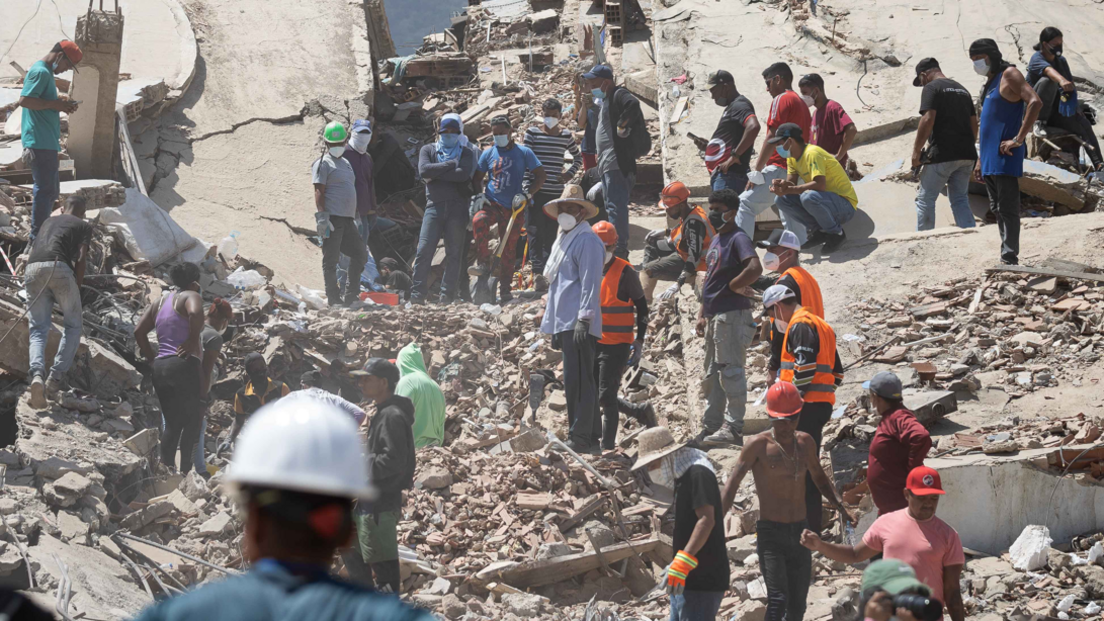
When twin quakes – one 7.2, the other 7.5 – struck La Guaira, almost 800 buildings collapsed and thousands vanished. Rescue is now a low‑tech, grassroots operation, with volunteers wading into rubble armed only with crowbars and hand‑tools.
The first aftershock, a 4.6 magnitude tremor, rattled residents on Monday, yet no further damage was reported. Tens of thousands are still missing and hope is fading.
In the days following the quake, the Venezuelan police and army are visible in the streets but rarely in the wreckage. Local adults, including electrician Ruben Rojas, say that civil‑protection teams lack equipment and slow down the rescue.
The international community has stepped in: the US pledged over $300m for emergency aid; the Netherlands sent a vessel with supplies; China offered $15m in assistance. The US Navy’s USS Fort Lauderdale is docked at La Guaira to speed delivery.
While the government has set up temporary camps and a commission to assess damage, many locals feel the official response is too delayed. A 21‑year‑old man, rescued after more than 100 hours underground, illustrates the hard‑won victories that still come from sheer human determination.
For those watching, the map of the epicentre shows how far the shockwave reached. It is a stark reminder that when nature strikes, community can rise, but it needs backing from those who have the power to provide resources and rapid response.