In brief
As New York City heads into a mayoral election with potential first Muslim mayor Zohran Mamdani, the Jewish community is grappling with mixed feelings. Mamdani’s support for Palestinian rights and criticisms of Israel have sparked debate among voters. Rabbi Angela Buchdahl warns against political infighting that threatens unity. This election reflects deep divisions and differing priorities within the community about safety, identity, and political representation.
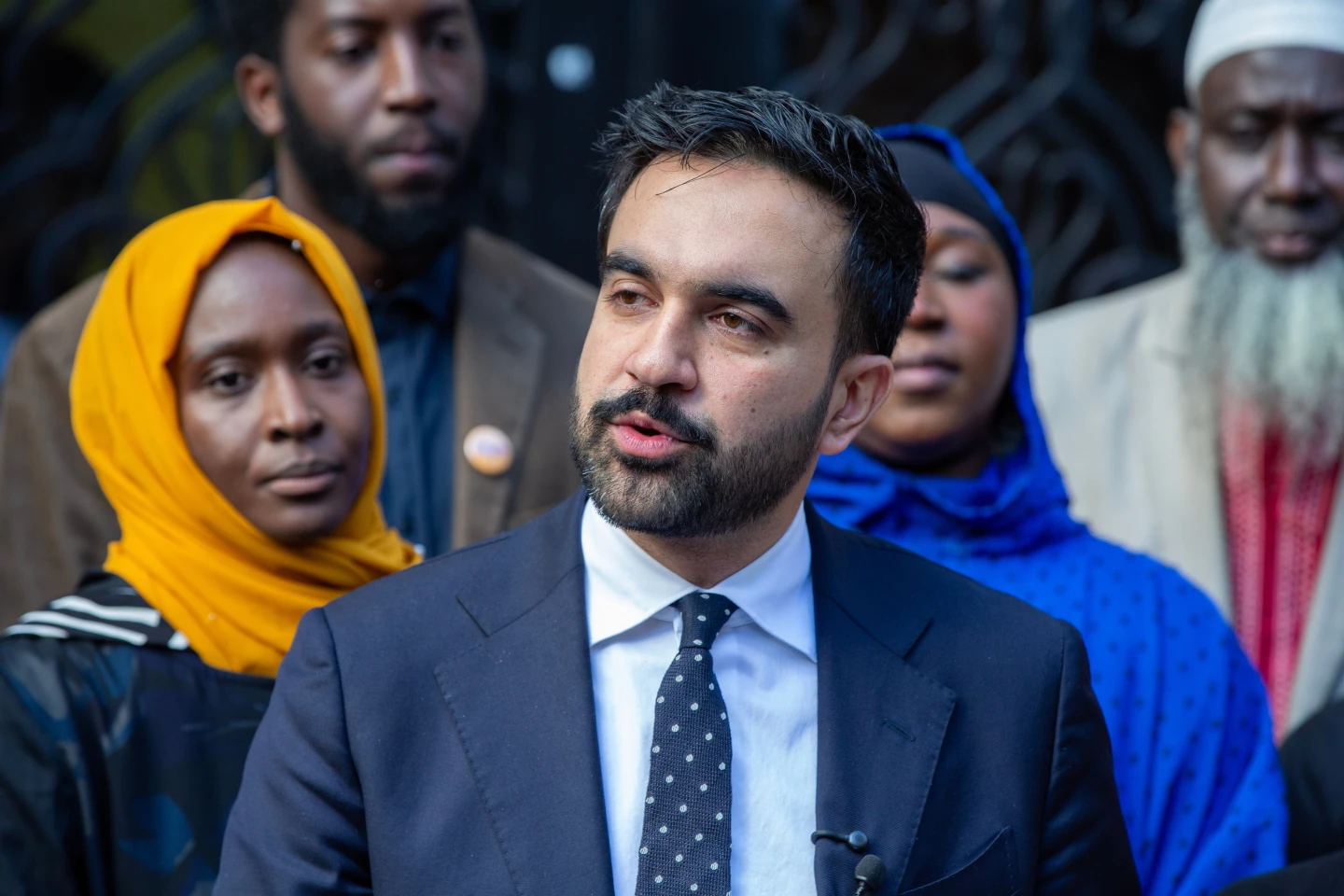
NEW YORK (AP) — Tensions are high within New York City’s Jewish community, the largest in the U.S., as they face an election that could result in the city’s first Muslim mayor, Zohran Mamdani. His progressive agenda of affordability and equity has drawn approval from some Jewish voters, while his strong critiques of Israel have alarmed others. Rabbi Angela Buchdahl of Central Synagogue expressed the need to reduce political friction that can harm the community's unity. She articulated concerns over Mamdani’s rhetoric, suggesting it contributes to antisemitism, yet maintained that political endorsements can exacerbate divisions.The election highlights a broader conflict where leaders within the Jewish community, such as Rabbi Rick Jacobs, emphasize the complexity of the voting situation. Jacobs noted that while Mamdani shows empathy towards Jewish concerns, his views pose unsettling implications for community safety. Varied opinions are echoed among the Satmar Hasidic community, where leaders are split on endorsements. On one side, Mamdani faces criticism for what some see as a potential threat to Jewish identity, while others worry that the community may prioritize unconditional support for Israel over broader democratic values. As the election draws near, younger voices advocate for a more nuanced approach to candidates, urging their community to engage with differing perspectives. The election is not just a local contest; it reflects a larger dialogue about identity, safety, and the future of the Jewish community in New York.