In brief
A record fifteen ships in a week were reported attacked in the Gulf, sparking fears of a tighter market. The U.S. Navy is stepping up escort duties, but oil shipments have dipped to just over 12 million barrels a day. Iran says its attacks aim to curb commercial passage, while the U.S. claims shipping is still flowing. A recent strike has left crew missing and a tanker on fire, underscoring the risks for global energy traders.
Ship attack reports near the Strait of Hormuz have spiked to a record high.
Between 5 and 11 October, twelve vessels said they were hit by drones or missiles – the most in any week since the Iran‑Israel war kicked off. The previous week saw ten attacks, and the day before yesterday recorded six in one day.
These strikes have a direct knock‑on effect on oil traffic. On 13 October, the Gulf’s biggest oil exporter artery handled about 12.6 million barrels a day – down from 15 million at the end of September, and well below the pre‑war 17‑million‑barrel figure.
Iran’s Revolutionary Guard says the purpose is to give the U.S. and its partners pause. The U.S. Central Command, however, says commercial ships are still moving through with escort support and a “shuttle” system that slings tankers along the Omani coast.
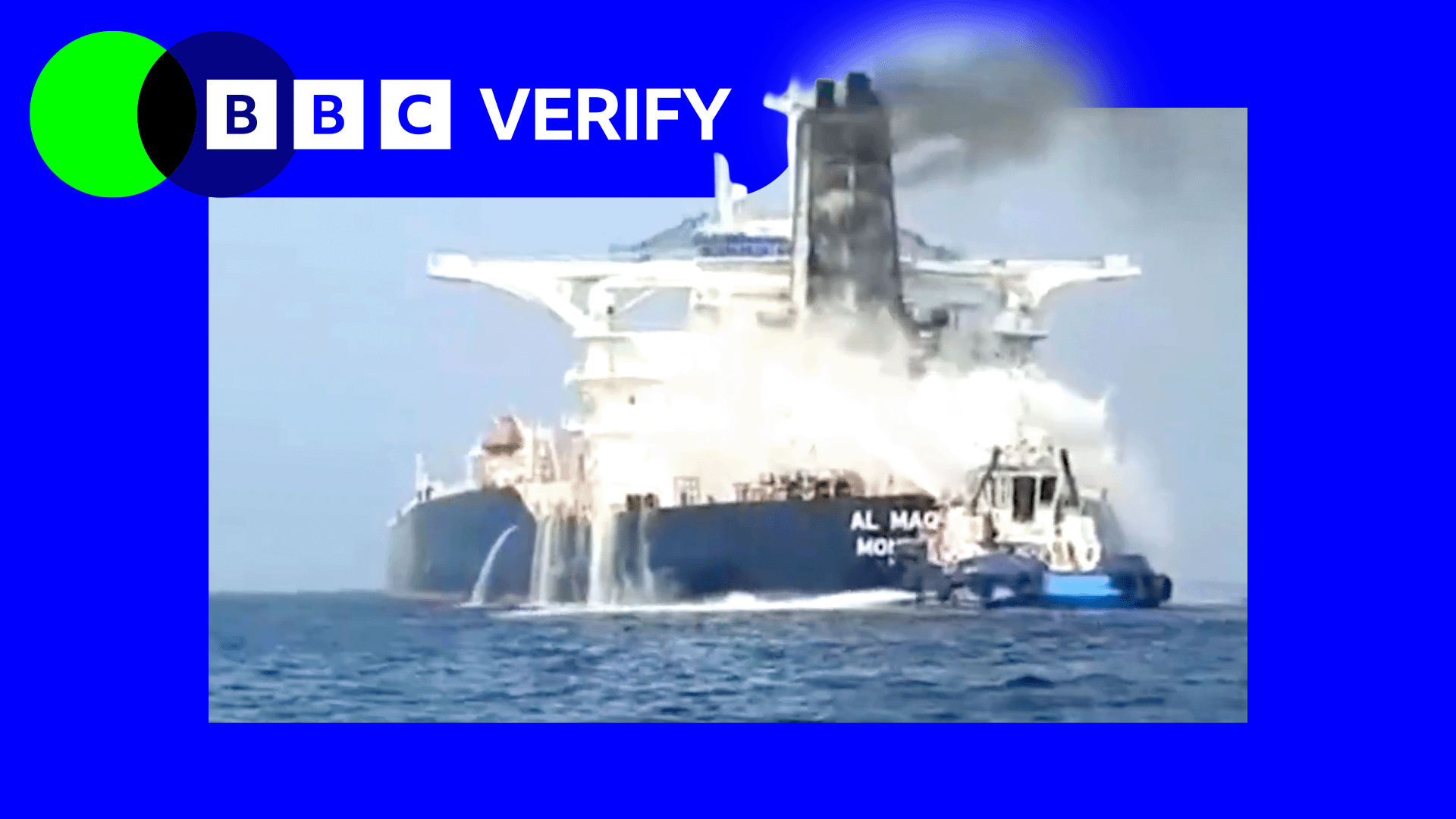
Recent incidents include a tanker that caught fire after a strike near Oman’s Sohar anchorage, leaving two crew members missing; another container ship sank after a projectile hit in the Strait, after which 21 crew were rescued. A tanker was also hit north of Qatar, producing casualties.
With attacks spreading beyond the Strait, and US escort numbers up 85% in early October, maritime analysts warn the shipping lanes could stay volatile for months, putting pressure on global oil prices.