Farm work is personal for many people in the state of California, where nearly three-quarters of America's fruits and nuts are grown. That's why, when sexual abuse allegations against famed farmworker union activist César Chávez came to light in March, it sent shockwaves throughout the state.
As the daughter and granddaughter of farmworkers, this is deeply personal, state senator Suzette Martinez Valladares said during a meeting to discuss removing Chávez's name from streets, parks, and schools - as well as renaming César Chávez Day to Farmworkers Day.
The legacy of farmworkers belongs to families like mine across California - not to any one individual, Valladares said, highlighting the collective history of farmworkers who have endured struggles in the fields.
Once celebrated for leading major strikes in the 1960s for better wages and conditions, Chávez's mantra, si, se puede has been emblematic of the labor and civil rights movements. However, the recent allegations against him, including claims from his longtime collaborator Dolores Huerta, have ignited a widespread reevaluation of his contributions.
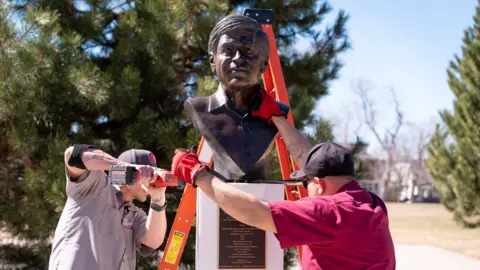
Now, his legacy is being challenged. Lawmakers voted to change the holiday's name to reflect the broader impact of farmworkers rather than glorify an individual, marking a significant cultural shift.
Chávez’s name, once synonymous with farmworker advocacy, faces removal from schools and streets, as public sentiment shifts in response to the allegations. Some communities are grappling with the dilemma of how to remember an important figure while acknowledging the serious claims against him.
While some artists and leaders feel compelled to preserve his image in public art, others argue that murals should better represent the collective contributions of all workers. The movement toward 'Farmworkers Day' aims to honor the efforts of many rather than one, signaling a crucial moment of reflection in the legacy of labor rights in America.