In brief
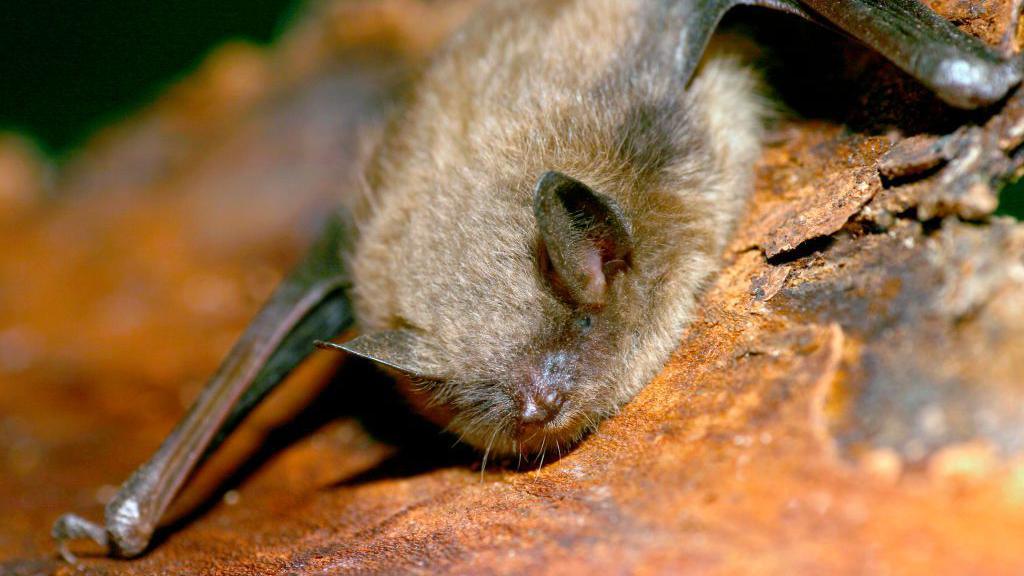
An 11‑year‑old Canadian boy died in July after a bat brushed his nose and mouth during a cottage visit in Ontario. Though no visible injuries were seen at first, his parents did not seek medical care right away. Within 19 days symptoms like facial numbness and swelling appeared, turning into confusion, fever and paralysis. Doctors soon suspected rabies and confirmed the infection, but the boy passed away 17 days after hospital admission. The case highlights how quickly rabies can become fatal and emphasizes the need for immediate treatment after bat contact.
An 11‑year‑old boy in Ontario contracted rabies after a bat brushed his nose and mouth while staying at a family cottage. His parents didn’t notice any injuries and therefore didn’t seek immediate care.
Within 19 days, the boy started feeling numbness and swelling in his face. He was taken to an emergency clinic and treated for what was thought to be Bell’s palsy, until symptoms worsened with fever, difficulty swallowing and confusion.
He was intubated and admitted to a paediatric intensive care unit. Doctors from the University of Manitoba strongly suspected rabies, and a test later confirmed the diagnosis. The Canadian Food Inspection Agency also identified a bat rabies virus variant.
The boy passed away 17 days after hospital admission. This tragic case underscores how quickly rabies can become fatal once symptoms appear, and shows the critical importance of post‑exposure prophylaxis after contact with a bat.
Since 1924, Canada has recorded 28 human deaths from rabies. The Canadian Veterinary Medical Association warns that maintaining vaccination programs for wildlife is vital to keep the risk low.
If you ever come into direct contact with a bat, seek medical help immediately to get rabies post‑exposure prophylaxis. Early treatment can prevent the disease from progressing.