In brief
This year marks the 70th anniversary of the Montgomery Bus Boycott, a key moment in the civil rights movement sparked by Rosa Parks' arrest. Doris Crenshaw recalls her involvement as a young girl, helping distribute flyers for the boycott that lasted 381 days. Activists today are encouraged to carry on that legacy through modern boycotts against companies that go against diversity and inclusion values. Young activists like Madison Pugh are already taking charge, proving that the fight for equality persists across generations.
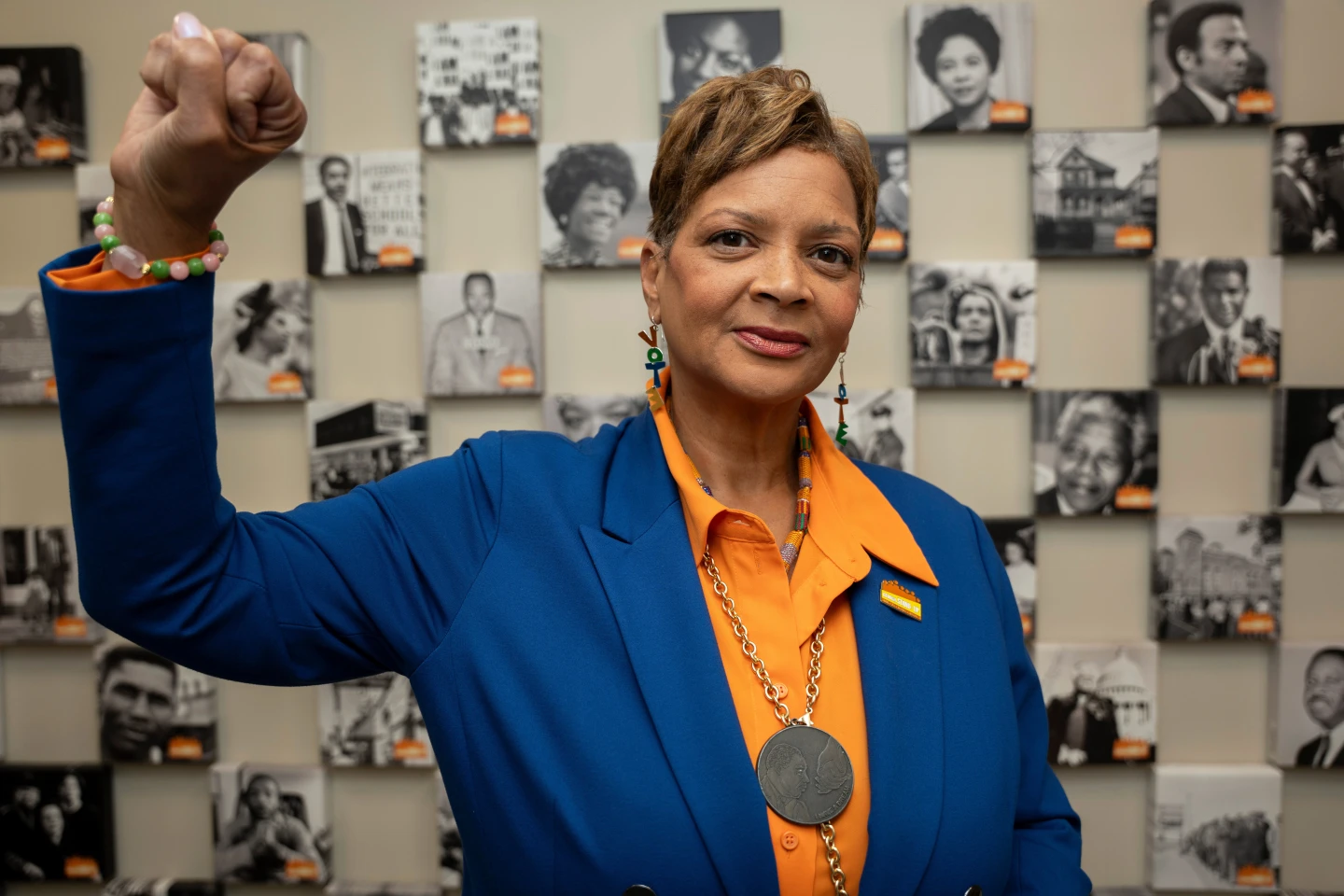
MONTGOMERY, Ala. — The Montgomery Bus Boycott, which started on December 5, 1955, is now 70 years old, celebrated for its significant role in the Civil Rights Movement. Doris Crenshaw, who was just 12 at the time, remembers the urgency among her neighbors as they distributed flyers urging people to boycott the city's segregated buses following Rosa Parks' arrest.
The boycott lasted an incredible 381 days, with around 40,000 Black residents opting for alternative transportation methods to protest racial inequality. This act of unity not only challenged the discriminatory bus system but also laid the groundwork for nonviolent protest strategies that continue to influence activism today.
Descendants of key figures, such as Martin Luther King Jr., will gather in Montgomery to honor this legacy. Crenshaw, now 82, reflects on her journey of lifelong activism, emphasizing the importance of community and strategic responses to corporate behaviors that oppose inclusivity.
Today, young activists like 13-year-old Madison Pugh are applying lessons from the past, choosing to boycott companies like Target in response to policies perceived as regressive regarding diversity and inclusion. With social media, the approach to activism has evolved, but the core message remains: the fight for equality and justice continues, and everyone has a role to play.