In brief
Americans are bracing for the impact of a new 25% tariff on imported cars set to begin next week, potentially making vehicle ownership more expensive and complicated.
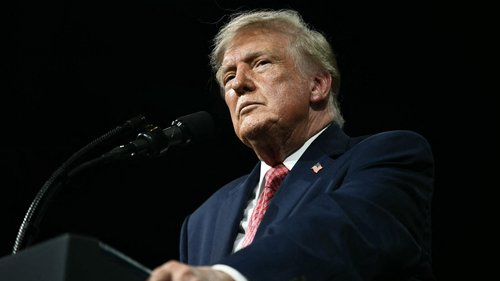
As the clock ticks down to April, American car buyers are feeling the pressure from President Donald Trump’s impending auto tariffs. Jeannie Dillard, a Virginia resident, has been saving to replace her stolen vehicle but now worries higher prices could force her to delay her purchase. "If prices get too high, I'm obviously not going to buy something that I can't afford," Dillard explained.These tariffs, which target foreign cars and car parts, are set to begin on April 2 and could lead to substantial increases in vehicle costs. Mohamad Husseini, a used car dealership owner, warns that wholesale market prices are already skyrocketing—resulting in a potential jump in the price of a modestly priced car from $13,000 to $14,500. He says consumers might see these price increases within weeks.Despite the administration's defense of the policy, claiming it will promote job growth, it’s not just buyers who are affected. Car dealers like Husseini are likely to hike prices to cover their own costs. Many Americans, like Robin Sloan, are rushing to make purchases before the tariffs kick in, expressing doubt that they would switch to domestic brands just because of price hikes.Historically, cars have been symbols of American freedom and success, but this economic policy might shift that perception. According to experts, such as John Heitmann from the University of Dayton, these tariffs will likely price out many consumers from the new car market, especially for affordable foreign makes.A recent study indicated that a 25% tariff could lead to a 75% reduction in imports, driving US car prices up by roughly 5%. Surprisingly, while some manufacturers like Hyundai are pledging investments in the US, the interconnected nature of North American auto production means even American-made vehicles could feel the pinch from increased parts prices.With uncertainty hanging heavily in the air, consumers like Mya Fountain-Bunch are doing their best to hold onto their cars for as long as possible. As she puts it, “[I'm] making sure that my car is working... until this administration is done." The situation remains fluid, and with the tariffs hovering just on the horizon, the auto industry may be on the brink of significant transformation.