In brief
In a pivotal move, EU leaders have approved a €90 billion loan to Ukraine as it confronts financial turmoil amidst the ongoing war. The loan, to be paid back contingent on Russia's reparation payments, signifies a major commitment to Ukraine's economic stability, even as negotiations over using frozen Russian funds falter. Ukrainian leaders have praised this decision as crucial for their nation's resilience.
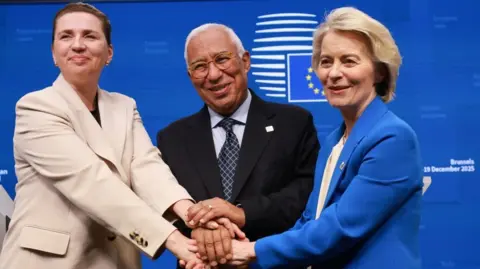
European Union leaders have reached a late-night agreement to lend Ukraine €90bn (£79bn; $105bn) over the next two years, despite failing to utilize frozen Russian assets in the process. With Ukraine on the brink of depleting its funds by spring 2025, EU Council President António Costa affirmed that the loan would only be repayable when Russia compensates for its war actions. Ukrainian PM Yuliya Svyrydenko hailed the deal as a decisive step toward strengthening economic resilience.Negotiations to access €210bn in Russian assets were stymied by concerns regarding potential Russian retaliation, primarily voiced by Belgium's Prime Minister. While leaders managed to secure the loan, considerable negotiations ensued over the future of asset utilization amid apprehensions from certain EU member states.With a total of €137bn needed over the next two years for military and public service expenditures, the EU will cover about two-thirds of this deficit. This agreement is seen as a major victory for Ukraine and reflects a commitment from European leaders to provide necessary financial support, despite some dissenting opinions within the EU regarding further funding to Ukraine.The decision is accompanied by significant political commentary, with some leaders pointing out the complexities of the geopolitical landscape involving Russia and the necessity for renewed dialogue for potential peace. Discussions about re-engaging with Russian leadership were also highlighted, indicating a shift towards diplomatic efforts within Europe.