In brief
The founder of China’s once‑giant property developer has been sentenced to life in prison and has lost all personal property after pleading guilty to embezzlement and bribery. Shenzhen’s court also fined the company £960m and forced its property arm to pay £840m in damages. The collapse of Evergrande, triggered by China’s 2020 debt‑control limits, left unfinished projects, hit investors hard, and has dampened confidence in the housing sector. Analysts warn that the aftershocks could slow China’s economic growth as the government tightens regulatory oversight.
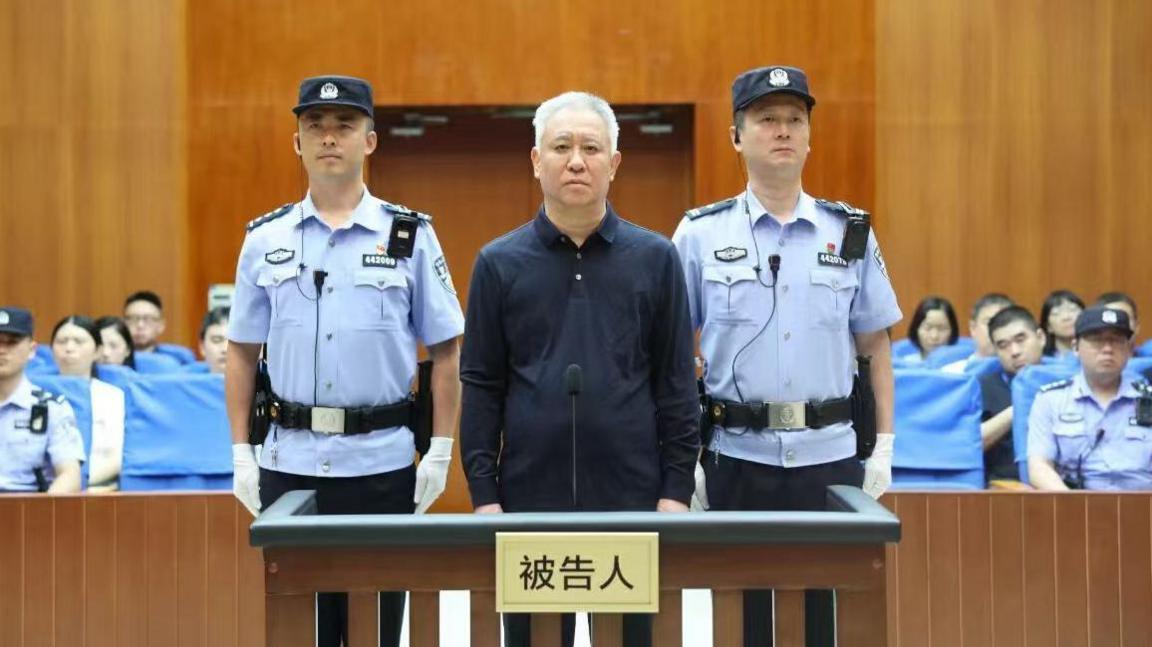
Evergrande founder Hui Ka Yan was sentenced to life imprisonment and had all his personal assets seized, a moment that marks a landmark in a crisis that rattled China’s property market.
Hui pleaded guilty in April to embezzlement and corporate bribery charges, redirecting funds meant for construction to new property projects, leaving many properties unfinished.
The Shenzhen court also fined Evergrande Group £960 million and ordered its real‑estate arm to pay £840 million in damages.
Evergrande’s collapse began when Beijing tightened debt limits in 2020, forcing the company to sell properties at steep discounts and ultimately default in 2021.
What’s next for China’s real‑estate sector?
Investors and banks still feel the aftershocks, as the company’s debt fallout has shaken housing‑market confidence. Analysts warn that a sustained drop in demand could slow China’s economic growth for years.
The sentencing also signals the Chinese government’s intent to clamp down on risky corporate practices and could deter other investors from taking bold risks in China’s economy.