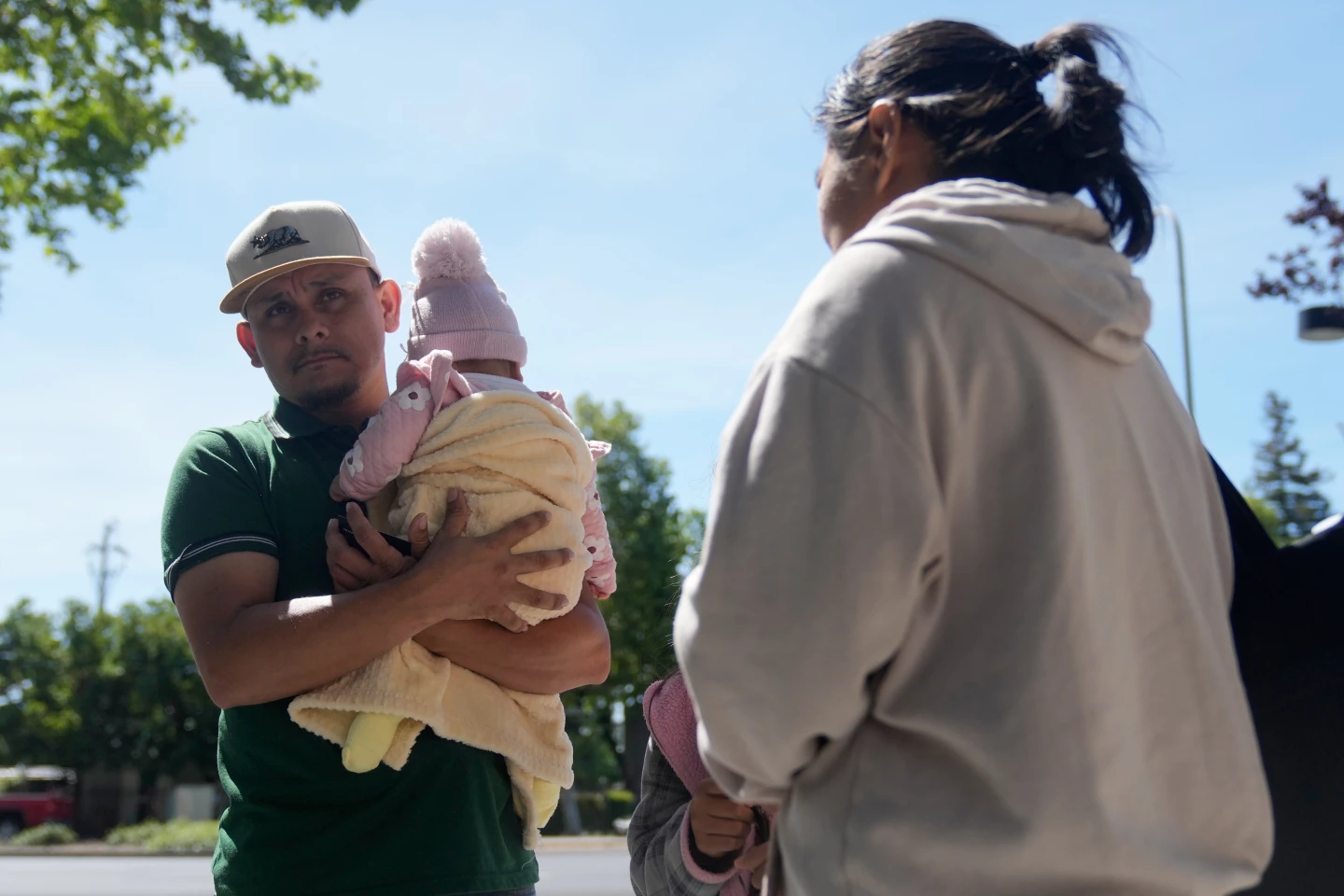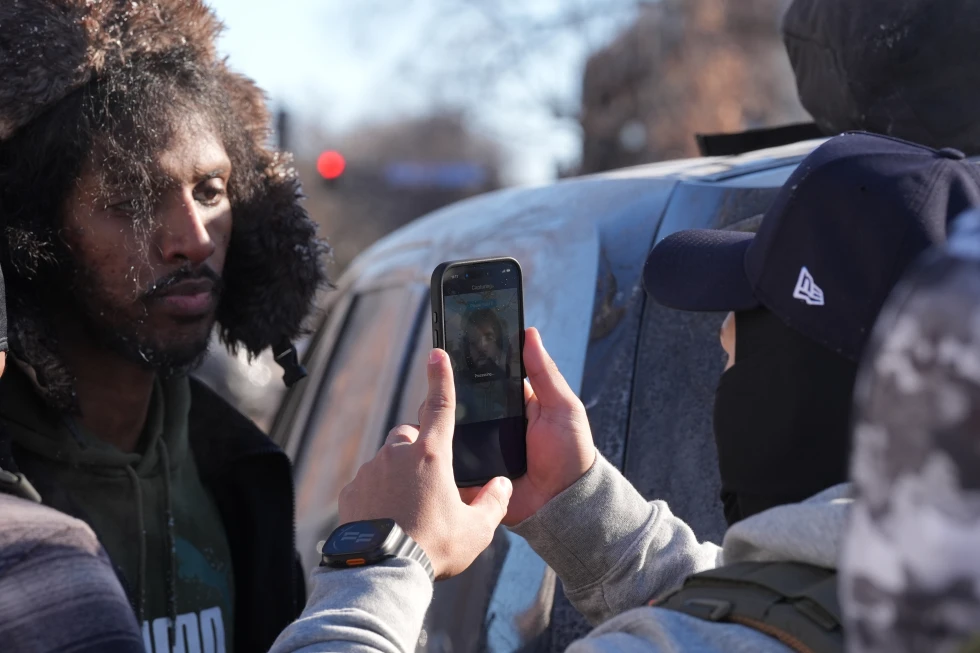
Luis Martinez was on his way to work on a frigid Minneapolis morning when federal agents suddenly boxed him in, forcing the SUV he was driving to a dead stop in the middle of the street.
Masked agents demanded Martinez show his ID, using a cellphone to scan his face and features. Are you a U.S. citizen? they repeatedly asked.
This incident epitomizes tactics used in a recent immigration crackdown described as the Trump administration's largest effort, drawing national scrutiny after two U.S. citizens were fatally shot by federal agents this month.
While officials claim enforcement is focused on serious offenders, investigations reveal extensive reliance on biometric surveillance. Critics argue that this risks indiscriminately targeting citizens and non-citizens alike, often without adequate oversight.
Homeland Security has significantly expanded data collection and analysis capabilities through partnerships with various agencies and technology companies.
In Martinez's encounter, the face scan yielded no match. It wasn't until he presented his U.S. passport that the agents allowed him to leave. “It’s terrifying... It’s not safe anymore,” he shared.
Alongside facial recognition, federal agents are now capable of monitoring cities extensively, employing a myriad of surveillance technologies.
DHS maintains that these methods are crucial for apprehending dangerous criminals, but civil liberties experts warn that the potential for abuse is significant without proper checks in place.
Increasingly, the DHS has been using facial recognition apps like Mobile Fortify to verify identities, raising further concerns about consent and intrusion into personal privacy.
Overall, the rapid deployment of new surveillance technology in immigration enforcement raises profound questions about privacy rights and the balance between security and civil liberties in modern America.