In brief
China’s Typhoon Noul triggered widespread flooding, but not just the rain — AI‑made videos showing dead bodies, fake rescue scenes and impossible wildlife escapes made headlines. Authorities warn that these deepfakes can amplify mistrust and heighten panic, especially when people turn to unreliable sources for urgent info. With AI tools growing easier to use, the government’s latest crackdown vows to curb fake content, strengthen verification methods, and hold platforms accountable. Experts say stronger public education, tighter laws and advanced detection tech are essential to counter the rising tide of misinformation, which could impact everything from disaster response to elections.
When Typhoon Noul slammed China, skies poured, streets flooded, and thousands rushed for help. But a new threat hit even harder: AI‑generated videos that look real but are pure hype.
These fake clips show dead bodies in floodwater, snakes escaping from breeding farms, and crocodiles leaping into rivers. Experts say the videos are not just entertaining—they create panic, mislead rescue teams, and push people to stockpile supplies unnecessarily.
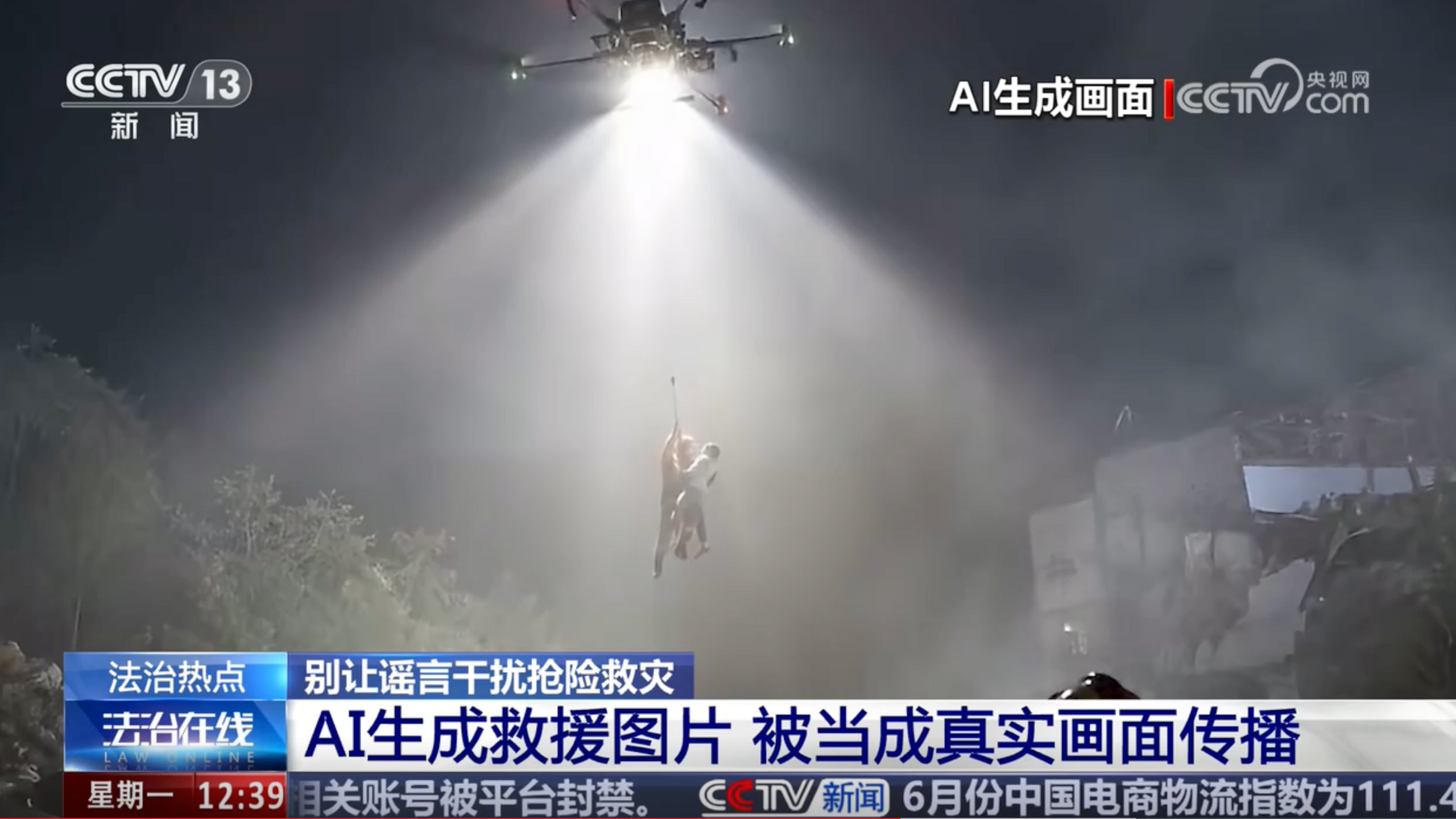
China’s state media has started marking AI‑made content, but the problem is the speed and ease with which deepfakes can spread. A tech‑savvy creator can now generate realistic video in minutes, making it hard for ordinary users to spot the truth.
To combat it, prosecutors are tightening laws with fines and prison sentences up to seven years. Police task forces now monitor short‑video platforms for staged scenes, while experts push for a trusted “information infrastructure” that can verify timestamps and real‑time geography.
The lesson? In a world where disaster can trigger both real danger and digital deception, staying calm and checking sources with official alerts is vital—especially when your phone flashes a shocking “crocodiles in the river” alert.