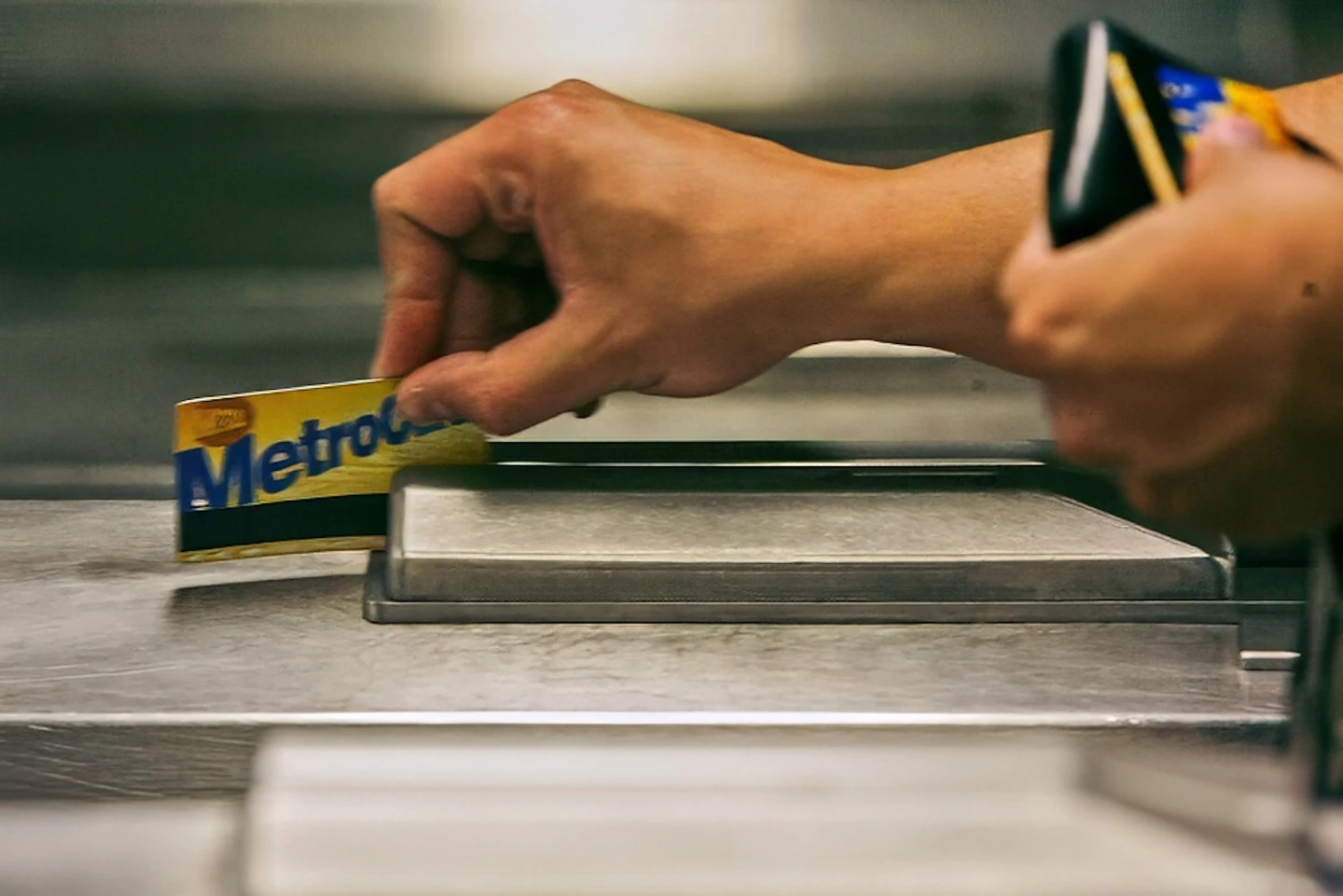
NEW YORK (AP) — The iconic MetroCard, which replaced the traditional subway token in 1994, is set to retire by December 31, 2025. The MetroCard provided modernity to one of the world’s oldest public transit systems, but now it's being phased out in favor of a sleek, contactless payment system named OMNY.
Transit officials have announced that over 90% of subway and bus trips are already paid using the tap-and-go system, which allows riders to use their credit cards or smartphones to pay fares easily.
Many major cities globally, including London and Singapore, have adopted similar systems for years. With San Francisco also introducing a contactless payment option, the trend seems unstoppable.
The MetroCard Legacy
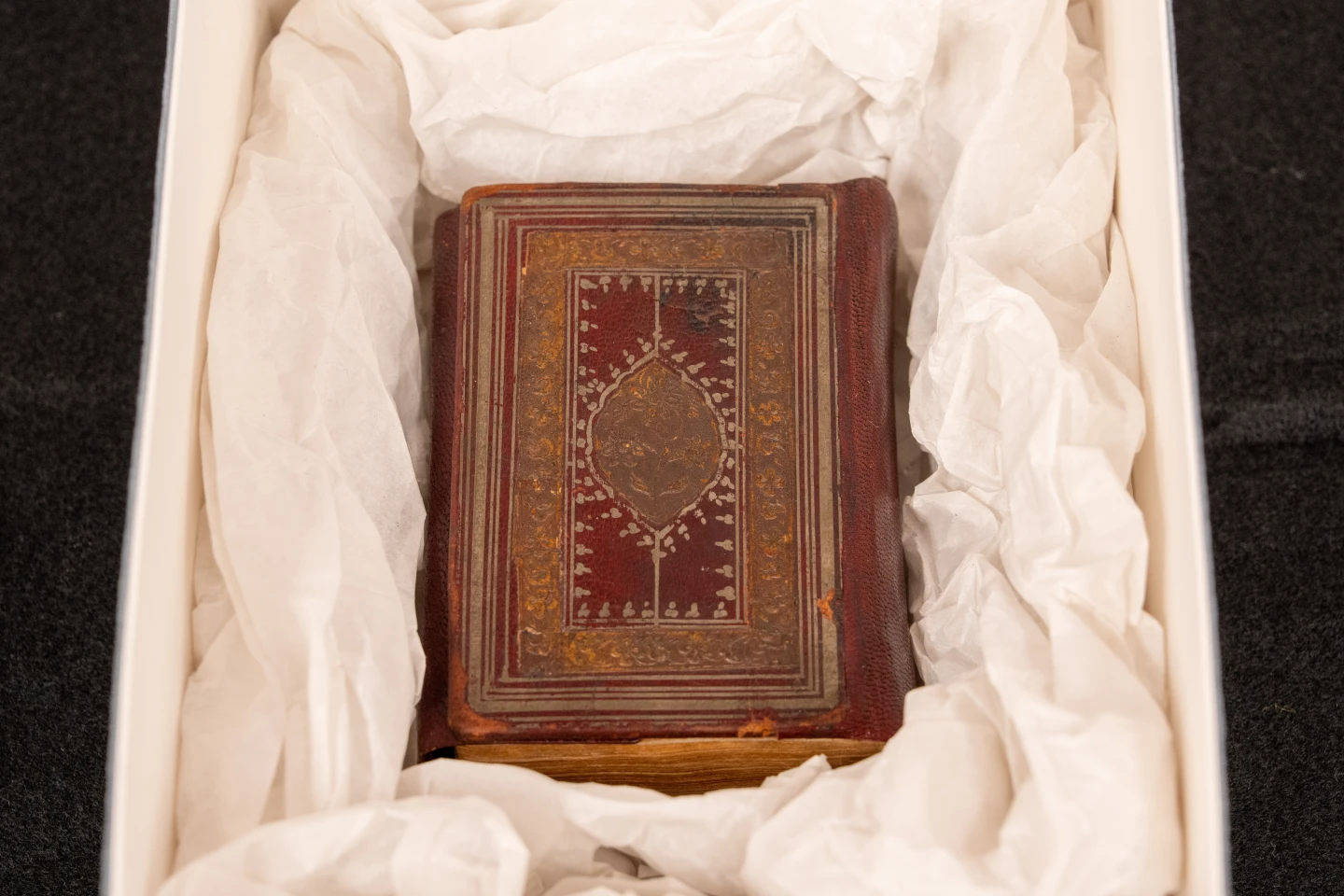
Jodi Shapiro, curator at the New York Transit Museum, remarked on the revolutionary impact of the MetroCard in her recent exhibit showcasing its legacy. Coated in nostalgia, it transformed New York travel despite initial resistance from commuters accustomed to tokens. The Metropolitan Transportation Authority even launched campaigns to educate riders on the correct technique for swiping their cards.
The humble fare card became a collector's item, featuring special commemorative editions linked to major New York events. Collectors like Lev Radin cherish cards that showcase the spirit of New York City.
Cost Savings vs. Privacy Concerns
The switch to OMNY brings certain financial advantages, saving MTA around $20 million annually. Riders will also benefit from a weekly fare cap allowing unlimited free rides after 12 fares. However, the new technology raises significant concerns around data collection and privacy for many.
As the deadline approaches, NYC's older riders express their reservations about the transition, citing challenges with new technology. Meanwhile, other riders are slowly adapting to the change, reflecting on a future of seamless travel on New York City's bustling transportation network.