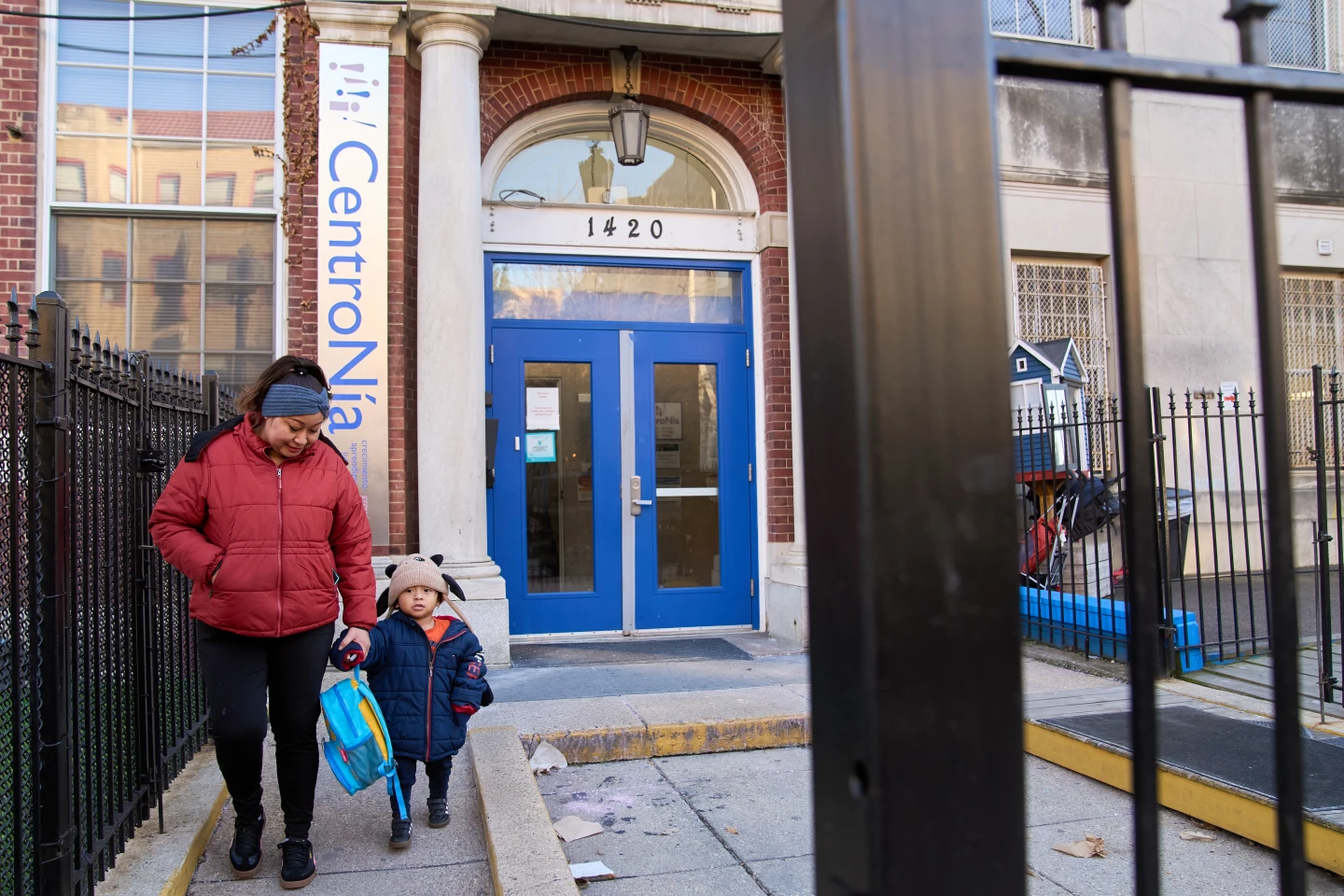
In January 2017, as President Donald Trump took office, staff at CentroNía preschool began preparing for a new reality—one where Immigration and Customs Enforcement (ICE) might knock on their doors. The summer brought an uptick in ICE activity in their Latino neighborhood, forcing the teachers to limit outdoor activities. Children previously taken to parks and libraries stayed inside, culminating in the cancellation of their traditional Hispanic Heritage Month parade.
The frightening shift peaked in October when a teacher was arrested in a Chicago preschool amidst a chaotic scene, targeting the anxiety that has grown within the child care community. Many workers, while legally present in the U.S., live in fear that they could be detained at any time.
CentroNía’s CEO, Myrna Peralta, emphasized how the fear surrounding ICE has overshadowed the school's operation, leading them to convert outdoor activities into indoor routines like strolling children through hallways instead of the neighborhood.
The child care sector, which relies heavily on immigrant workers, has been deeply affected by strict immigration policies. Reports indicate around 20% of the U.S. child care workforce is foreign-born, a situation that has become precarious with recent policy shifts that threaten the jobs and security of many immigrants.
These fears have not just impacted staff; the emotional well-being of the children is at stake too. Teachers have noted behavioral changes in students following traumatic events thrust upon families through high-profile ICE encounters. The pervasive dread now seeps through all levels of society, showing that no community is entirely shielded from these policies.