In brief
In Fleurance a grieving community mourns Lyhanna, a girl brutally murdered two weeks ago in south‑western France. The investigation revealed that the prime suspect, Jérôme Barella, had been flagged for sexual abuse and the police never questioned him despite an international alert—highlighting systemic failures. The case sparked nationwide outrage, prompting calls for stricter penalties for child abusers and a review of France’s justice system. Meanwhile, political leaders defend their efforts and face pressure from supporters demanding harsher reforms. The tragedy has become a rallying point for advocates seeking comprehensive protections for children and families.
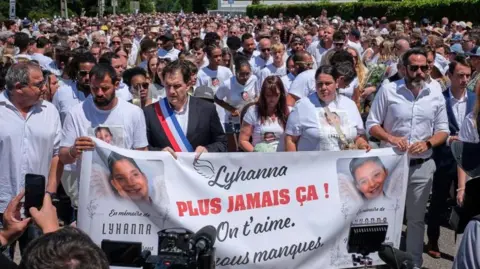
The town of Fleurance turned into a flashpoint for outrage after the funeral of 11‑year‑old Lyhanna, who was murdered two weeks ago. Residents and her family gathered to honor her, but the grief was tempered by anger over police negligence.
Jérôme Barella—41, the prime suspect—had been flagged by U.S. authorities and French police months before the crime because of suspected sexual abuse of a 10‑year‑old. The police couldn’t even interrogate him, a mistake that left a clear danger unchecked.
The prosecutors discovered Barella’s online activity only after he was arrested for a separate crime last week. The French National Office for Minors handled about 300,000 abuse alerts annually; Barella’s signal was deemed “weak” in 2023, illustrating a systemic blind‑spot.
Family and local officials called for justice, with mayor offices across the Gers region flying flags at half‑mast and urging community rallies. The Public’s demand for accountability grew as new allegations surfaced against Barella’s father and brother, adding complexity to the case.
Political leaders responded: Justice Minister Gerald Darmanin defended the system’s priorities, while Prime Minister Sébastien Lecornu pledged tougher punishments for child‑abusive offenders and set a deadline for investigations.
The tragedy has sparked broader conversations about France’s handling of sexual crimes, with activists and unions demanding new laws, increased funding and protest movements scheduled for every Monday in front of courts nationwide.
As protests continue, the nation watches a landmark shift in how child protection will be enforced and how the justice system will change for the future. The story remains a painful reminder that systemic failures can cost lives.