In brief
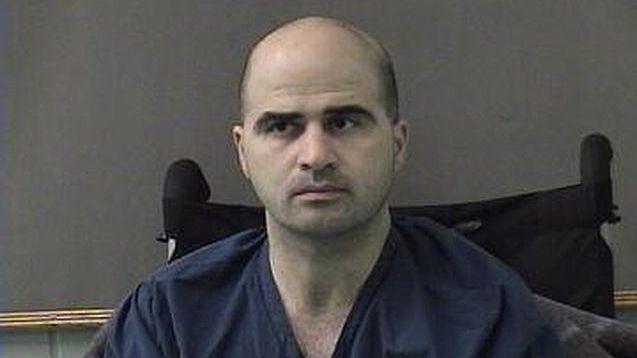
Seventy‑two high‑ranking former military leaders have signed a letter to the U.S. government asking it to cancel a planned livestream of the execution of Fort Hood attacker Nidal Hasan. They argue that broadcasting the death would turn Hasan into a martyr, violate the U.S. Constitution’s ban on cruel and unusual punishment, and turn the event into a spectacle for voyeurists. While President Trump has voiced support for the execution, he has not definitively approved the public broadcast. The letter notes that the livestream would be the first public execution in the U.S. in almost a century, provoking strong backlash from lawmakers, religious leaders and the public.
72 retired US generals and admirals have written to the Pentagon urging the cancelation of a livestreamed execution of Fort Hood shooter Nidal Hasan. The letter warns it would turn the convict into a martyr and reduce a grave punishment to a public spectacle.
In the February letter, the veterans said a live broadcast would violate the Constitution’s prohibition on cruel and unusual punishment, degrade the military’s honor, and provide propaganda for the attacker’s enemies. They noted that the execution, set for 3 December, would be the first publicly televised death in the US in almost a century.
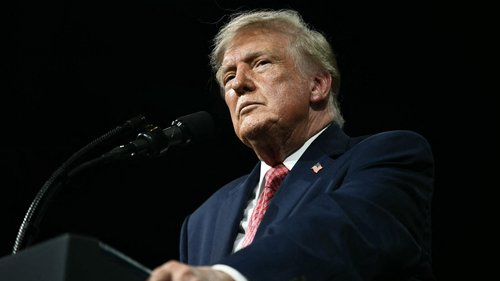
While President Trump has “absolutely” approved the execution, he has not yet made a final decision on the livestream, and some administration officials appear to oppose the broadcast, according to CBS and the BBC.
Key signatories include Major General Tony Taguba, known for his work on prisoner abuses at Abu Ghraib, and former NASA head Charles Bolden. The group also includes consecutive‑term veterans and a three‑star general, underscoring the breadth of concern.
The letter, posted Wednesday, emphasizes the potential backlash: the broadcast could “taint the honor of the military” and be used by foreign adversaries to inspire future attacks.
Governor calls for an end to the livestream. The debate over public executions, firing‑squad methods, and U.S. death‑penalty policy has intensified across political lines, with lawmakers, academics, and religious leaders condemning the plan.