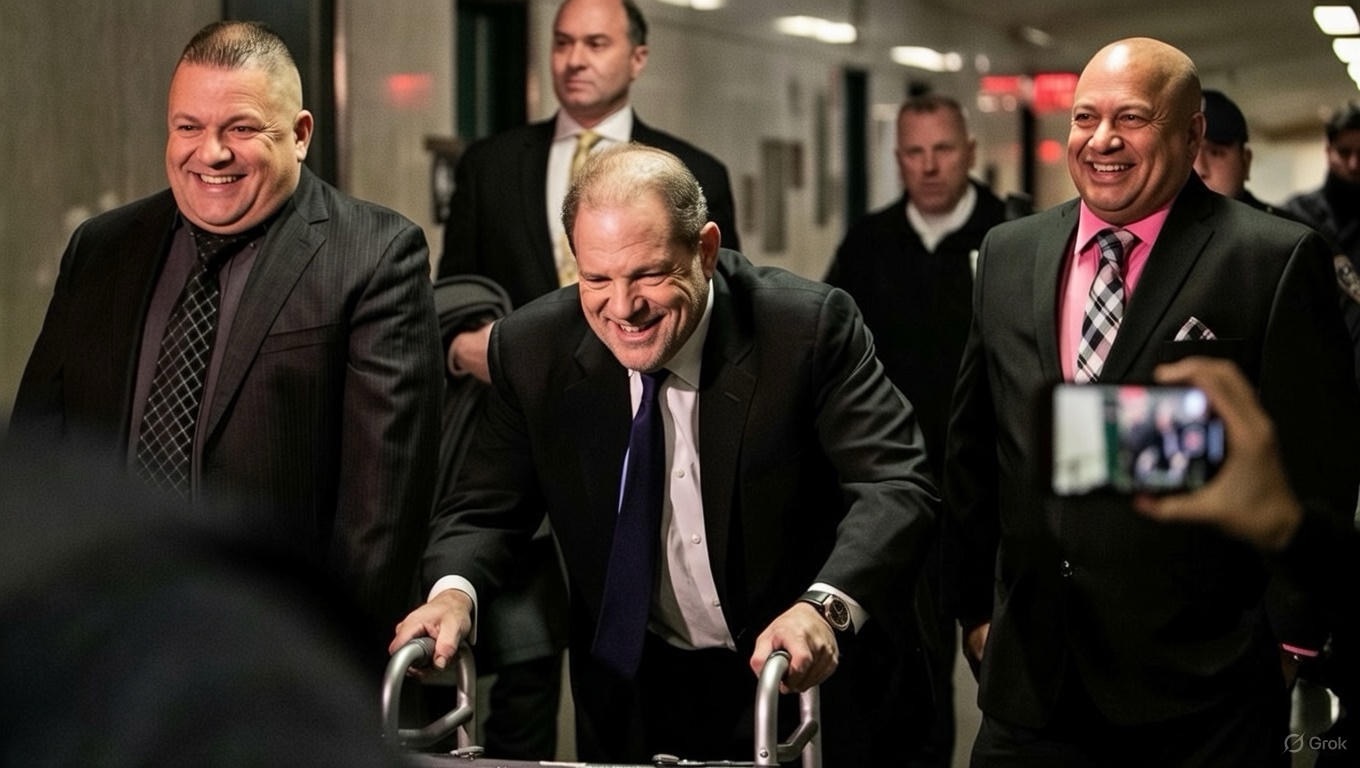
Hollywood loves to declare progress after events like #MeToo, with promises for transparency and accountability. Yet behind closed doors, little has changed—nondisclosure agreements (NDAs) have simply evolved. While laws like the Speak Out Act aim to limit their use before incidents of sexual misconduct, NDAs signed post-allegations remain legal, allowing studios to continue practicing confidentiality and forced arbitration. The Harvey Weinstein scandal revealed how NDAs concealed abuse patterns, showing that rather than abandon these strategies, Hollywood learned to manage them more discreetly. For actors, new AI likeness agreements serve as modern gag orders, with confidentiality clauses that restrict discussions about their digitized selves. The reckoning didn’t bring an end to NDAs; instead, it taught Hollywood how to hide abuse more effectively.
Hollywood's New Gag Orders: The Evolving NDA Landscape
Hollywood's New Gag Orders: The Evolving NDA Landscape
Despite promises of change in Hollywood following the #MeToo movement, nondisclosure agreements (NDAs) remain, evolving into sophisticated tools that continue to silence concerns about abuse and misconduct.
Hollywood seems unchanged after the #MeToo movement, with nondisclosure agreements evolving rather than disappearing. Laws like the Speak Out Act aimed at limiting preemptive NDAs, yet studios have adapted, keeping many confidentiality practices intact. This article explores how industry leaders have refined their strategies for covering up scandals rather than fostering accountability, revealing the ongoing challenges faced by those affected in the entertainment sector.