In brief
Japanese mayor Shoko Kawata announced a four‑month maternity leave, becoming the country’s first elected official to do so. The decision sparked polarized online reactions, raising questions about work‑life balance for public servants. Critics say leaving office hurts governance, while supporters praise her role model status for women in politics. The story highlights broader gender‑gap challenges that the country continues to confront.
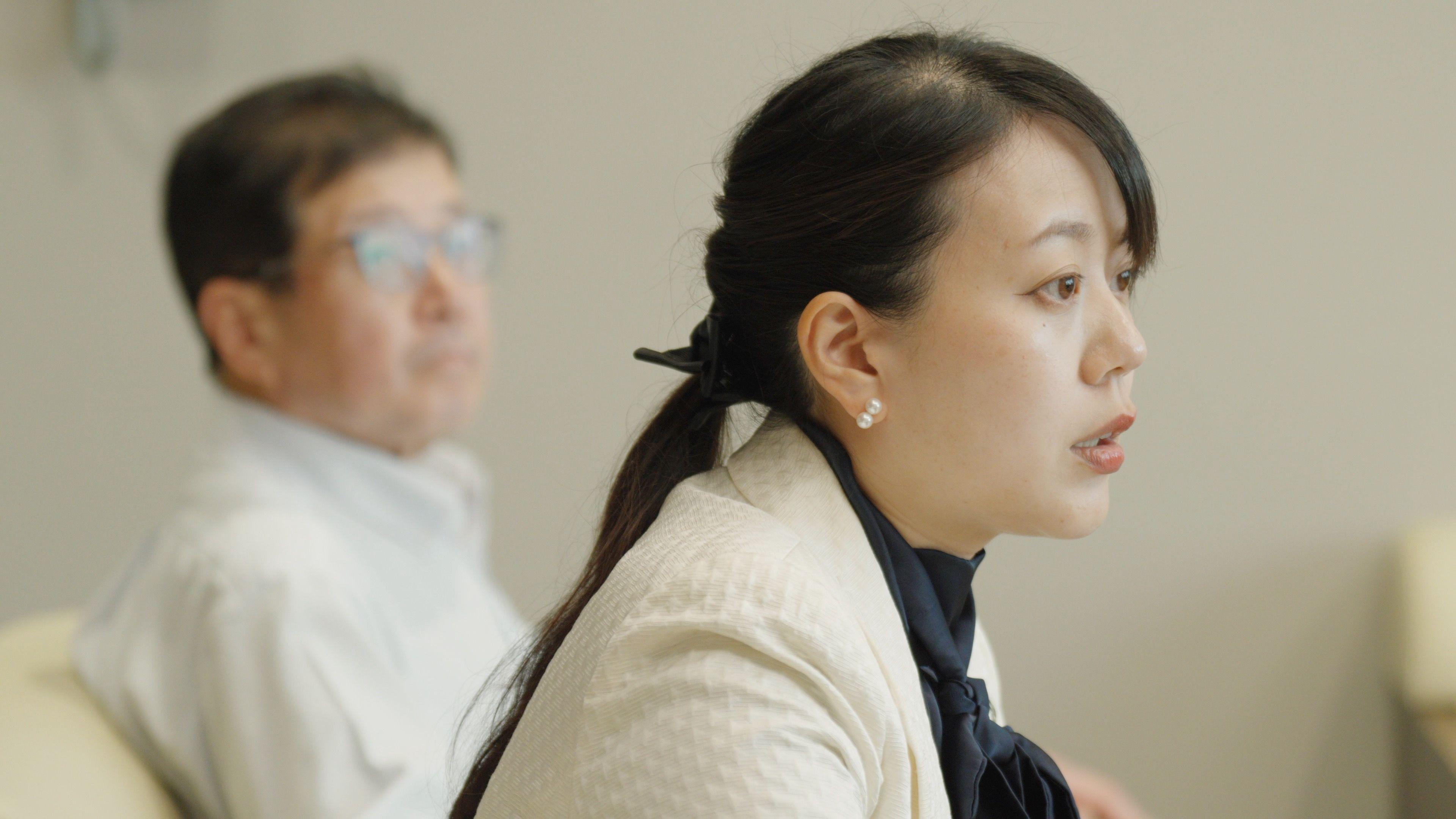
Meet Shoko Kawata, Japan’s youngest mayor. At 33, she leads Yawata, a town south of Kyoto, while balancing a passion for tea ceremonies and the demands of public service. The 35‑year‑old announced she will take a four‑month maternity leave, starting two months before and ending two months after her due date in September.
When she disclosed her plans in a May press conference, the online backlash was intense. Some on X and YouTube argued that stepping away from office is irresponsible, calling for resignation or salary cuts. Others praised her courage, saying the move normalises motherhood for politicians and opens doors for future female leaders.
Japan’s gender‑gap index remains among the lowest in the world; the LDP‑run government has faced criticism for not encouraging more women in politics. Kawata’s decision forces a national conversation about how to structure maternity leave for elected officials.
“If we call it irresponsible, we’re excluding women of childbearing age from office, which is unfair,” Kawata said, noting that her deputy will assume full responsibilities during her absence.
Deputy Mayor Shigeto Nose, a 62‑year‑old father of two, will run the town council, holding weekly virtual meetings with Kawata. He highlighted the need for more flexible work‑family policies, citing his own experience of carrying responsibility at home.
Japan already offers statutory maternity and paternity leave, but many refuse it. This case signals a potential policy shift: lawmakers could create formal leave provisions for local government officials, ensuring continuity without sacrificing family life.
On the social media front, reaction spanned from supportive memes encouraging “balance” to punditry questioning political commitment. The debate reflects broader generational attitudes: younger voices champion dual‑career lifestyles, while older voices stress public duty.
In a nutshell: Kawata’s leave shows both the progress and the obstacles in gender‑equity politics. It's a story that resonates with young activists who want to see government reflect the diversity of everyday life.