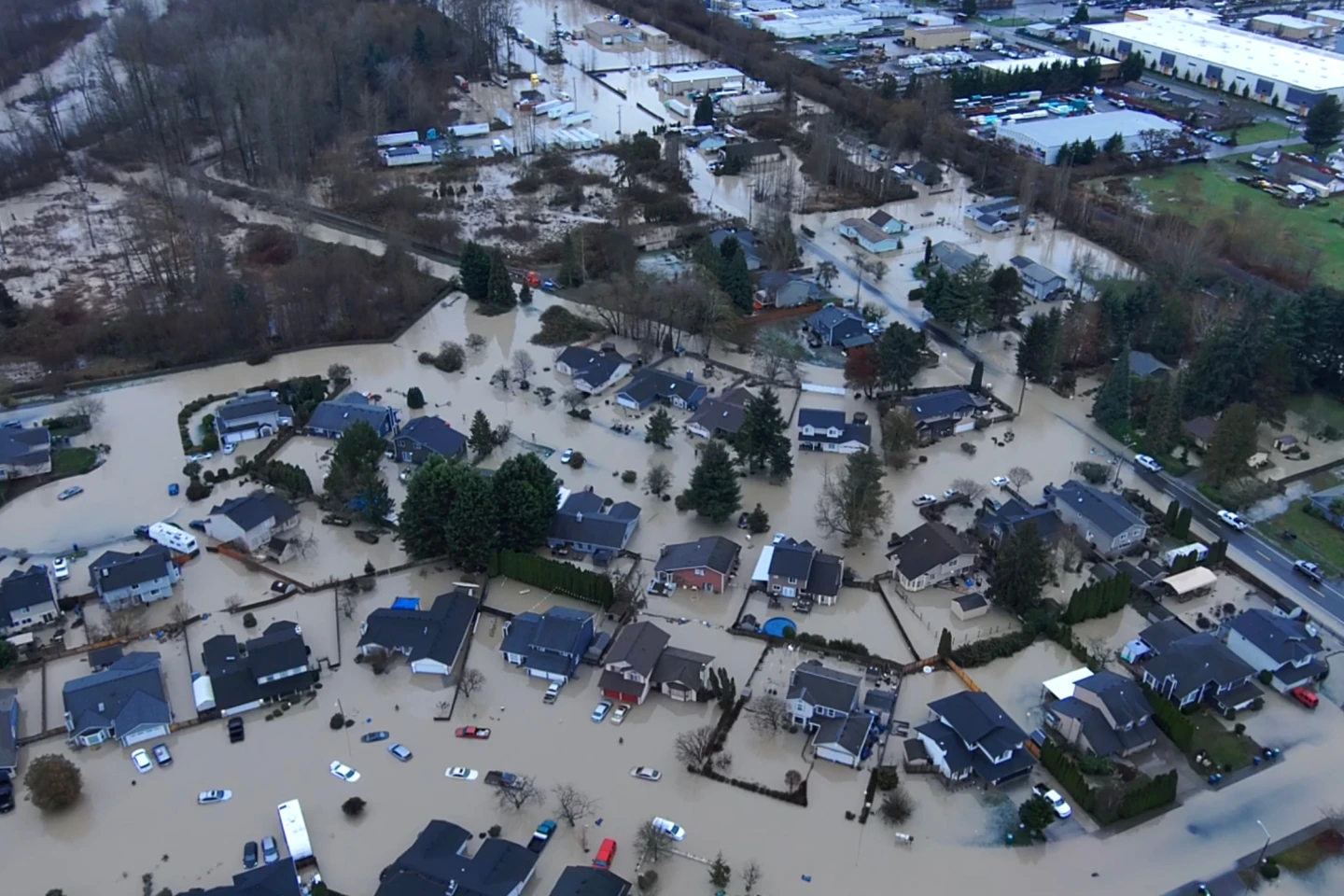
The east coast of Australia is bracing for severe flooding as Cyclone Alfred has been downgraded to a tropical low. Expected to make landfall on Saturday, the storm has already left over 230,000 homes without power and prompted the evacuation of tens of thousands of residents. With winds reaching 85 km/h, the Bureau of Meteorology predicts widespread rainfall that could surpass 200mm, especially in southern Queensland.
Currently parked off Bribie Island, the storm's slow movement towards the coast has intensified fears of flash and riverine flooding in low-lying areas. Authorities are taking precautions, warning residents to stay indoors, particularly as heavy rain continues. The past few days have already resulted in dangerous conditions, including a missing man feared to have been swept away in fast-moving waters, affecting four million residents across Queensland and Northern New South Wales.
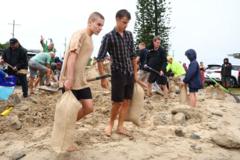
Queensland, known for its history of natural disasters, experiences cyclones, albeit rarely this far south. Residents are preparing by stockpiling food and securing their homes. The Prime Minister has expressed confidence in Australians' resilience, acknowledging the community's fear regarding the cyclone's impact. To mitigate the storm's effects, sandbag depots have opened across affected areas.
Over 1,000 schools have closed, and public transport, along with airports, has been suspended until at least Sunday to prioritize safety. This situation echoes past flooding disasters, such as the severe storms in February 2022 that devastated thousands of homes. As the region awaits the cyclone, uncertainty looms, with residents ranging from cautious preparers to enthusiastic surfers taking the wild surf conditions in stride. Officials urge everyone to heed cyclone warnings as the weather event approaches.
Currently parked off Bribie Island, the storm's slow movement towards the coast has intensified fears of flash and riverine flooding in low-lying areas. Authorities are taking precautions, warning residents to stay indoors, particularly as heavy rain continues. The past few days have already resulted in dangerous conditions, including a missing man feared to have been swept away in fast-moving waters, affecting four million residents across Queensland and Northern New South Wales.
Queensland, known for its history of natural disasters, experiences cyclones, albeit rarely this far south. Residents are preparing by stockpiling food and securing their homes. The Prime Minister has expressed confidence in Australians' resilience, acknowledging the community's fear regarding the cyclone's impact. To mitigate the storm's effects, sandbag depots have opened across affected areas.
Over 1,000 schools have closed, and public transport, along with airports, has been suspended until at least Sunday to prioritize safety. This situation echoes past flooding disasters, such as the severe storms in February 2022 that devastated thousands of homes. As the region awaits the cyclone, uncertainty looms, with residents ranging from cautious preparers to enthusiastic surfers taking the wild surf conditions in stride. Officials urge everyone to heed cyclone warnings as the weather event approaches.