In brief
Liberia has agreed to receive up to 1,200 foreigners that the US has deported over the next year, a move that marks the biggest deal Washington has ever made in its push against illegal migration. The 1,200 people are not criminals, and Liberia says they will be treated as guests who can apply for asylum if they wish. The US says the arrangement is legal, but rights groups warn it may be opaque and questionable; meanwhile other African countries like Ghana and Eswatini already have similar deals. This agreement could set a trend for neighboring nations and reshape U.S.‑Africa relations while offering a historic refuge for those fleeing conflict.
Since the new US administration began sending people to "third countries," Liberia has agreed to receive up to 1,200 former US guests over the next year.
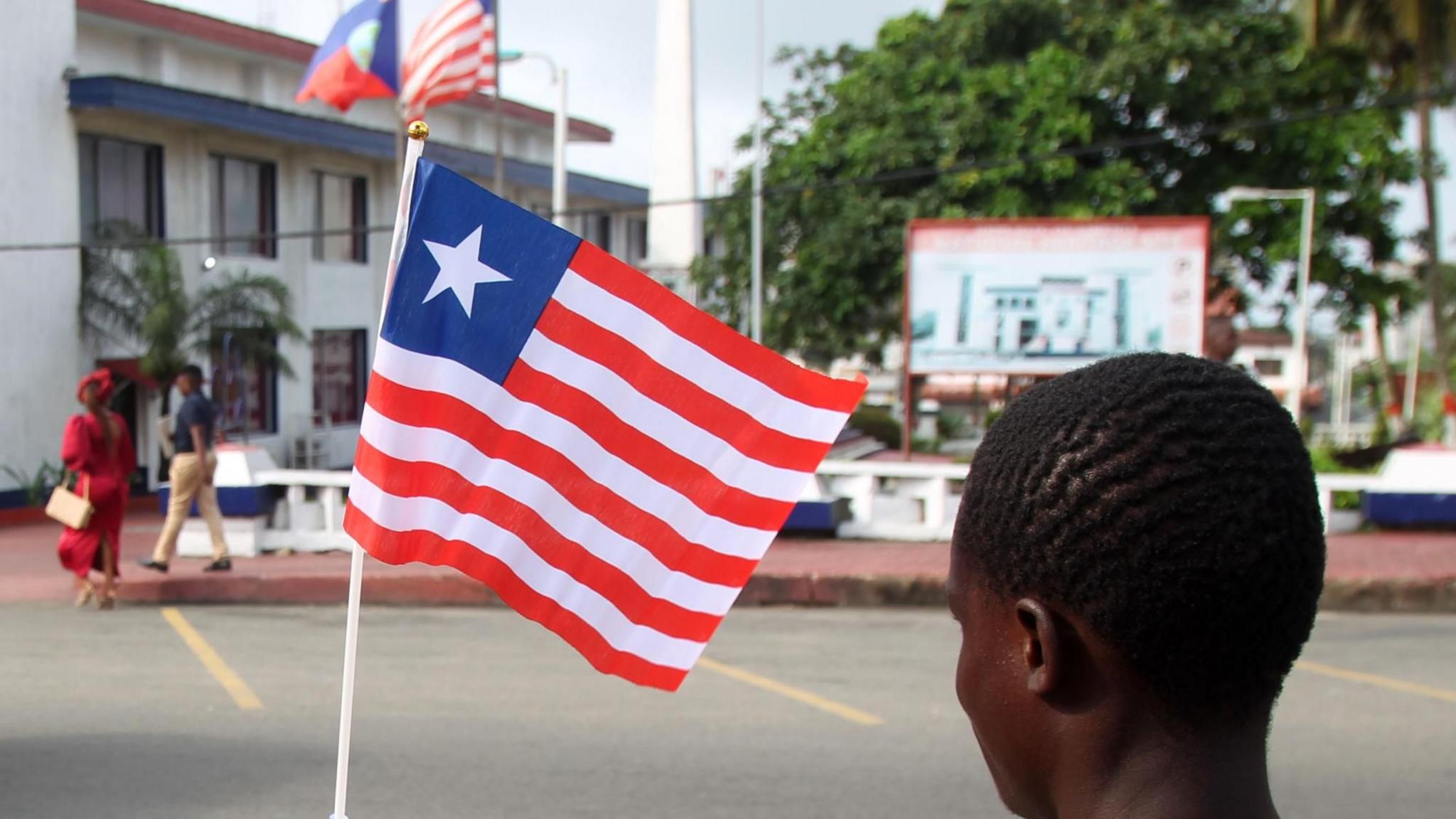
The deal is the biggest that Washington has made so far and aims to curb illegal migration. Liberia, a nation built by freed slaves, says it will host them "as guests" and help them apply for asylum if they choose.
None of the 1,200 are criminals or facing charges. The US calls the arrangement legal, but rights groups flag it as opaque and worry some people may return to dangerous situations.
Liberia will receive US support to strengthen its migration system and will work with Washington to keep the journey safe. Other countries such as Ghana and Eswatini already signed similar deals, sparking debates on responsibility and human rights.
Why it matters: a fresh wave of migration, a historic refuge for people fleeing conflict, and a new chapter in US‑Africa relations.
- US calls it a lawful “third‑country” move.
- Liberia welcomes those who cannot return home.
- The deal could set a trend for African nations.