In brief
Liberia has signed a pact to take in up to 1,200 foreign nationals deported by the United States. The migrants will be welcomed as guests and can apply for asylum if they wish. The agreement follows similar deals with countries like Ghana and Eswatini and comes as the US clamps down on illegal migration. Critics question the fairness and transparency of the process, while supporters see it as a humanitarian gesture rooted in Liberia’s founding history. The first cohort of 20 travelers is set to arrive next Thursday.
Key Facts
Liberia has agreed to accept up to 1,200 foreign nationals who have been deported from the United States over the next year. The deal is part of the U.S. administration’s controversial third‑country policy, which sends migrants to countries that cannot legally return them to their homes.
In the new arrangement, the deportees will enter Liberia as “guests” and will have the option to apply for asylum if they choose. They’re not classified as criminals or subject to prosecution.
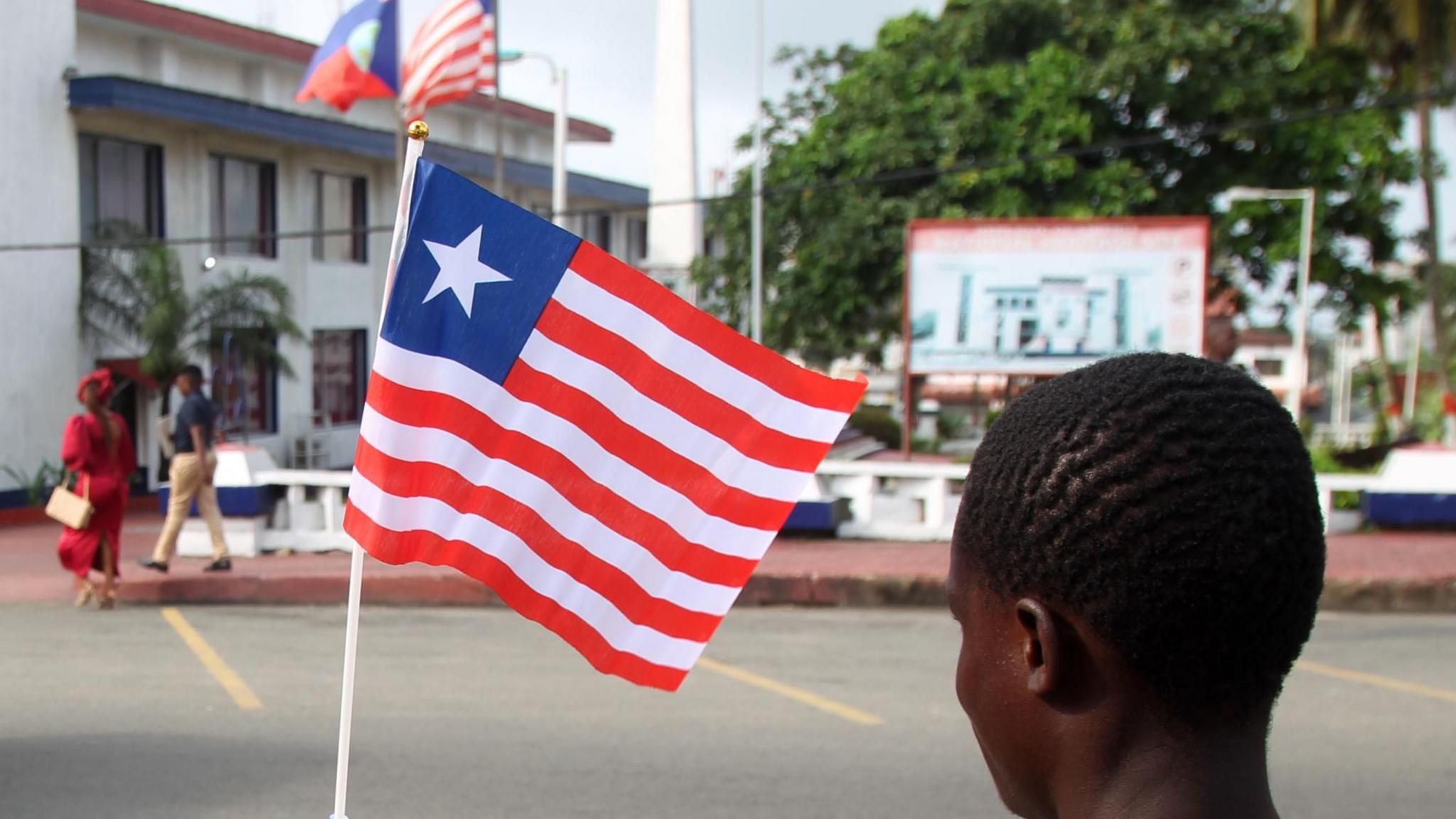
Information Minister Jerolinmek Piah emphasized Liberia’s humanitarian tradition, noting that the country was founded in the 19th century as a haven for freed African‑American slaves and people fleeing persecution.
The first group of 20 migrants is scheduled to arrive next Thursday. They will be free to leave or seek asylum, and will be supported by U.S. aid aimed at strengthening Liberia’s migration system.
The United States has previously struck similar agreements with Ghana, Sierra Leone, Eswatini, and the Democratic Republic of Congo. These deals have faced criticism over alleged lack of transparency and instances where deportees were returned to the countries they fled.
Liberia states it did not demand compensation for its participation; instead, it will receive assistance from the U.S. to manage and improve its migration framework.
While supporters applaud the humanitarian gesture, skeptics question how the agreement affects asylum rights and the global responsibility for undocumented migrants.