Myanmar has denied committing genocide against the Rohingya people, stating that The Gambia has failed to provide enough proof as it begun its defense at the UN's top court.
Ko Ko Hlaing, a Myanmar government representative, told judges at the International Court of Justice (ICJ) that the allegation was unsubstantiated.
Earlier this week, The Gambia's foreign minister Dawda Jallow told the court that Myanmar wanted to erase the minority Muslim population through its use of genocidal policies.
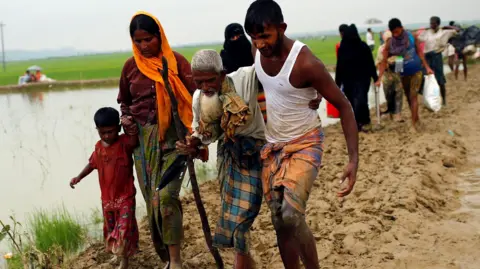
Thousands of Rohingya were killed and more than 700,000 fled to neighboring Bangladesh during an army crackdown in 2017.
A damning UN report in 2018 highlighted the need to investigate top military figures in Myanmar for genocide in Rakhine State and crimes against humanity elsewhere. Myanmar, under military rule since a coup in 2021, has consistently denied that its operations targeted anything other than militant threats.
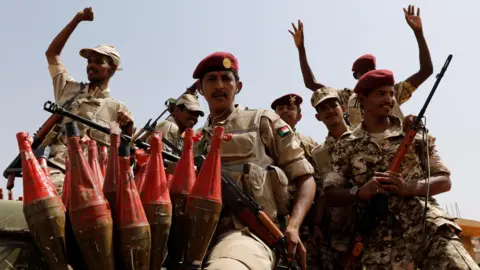
During the ICJ proceedings, Hlaing argued that Myanmar was obligated to respond to threats in the northern Rakhine State, asserting that their military's actions were counter-terrorism measures.
The Gambia initiated the case in 2019, citing a moral responsibility born from its own history with military rule. It stresses the Rohingya’s suffering, culminating in a military crackdown characterized by genocidal intentions. The outcome of this case could hold significant meaning for ongoing global discussions on genocide as well as Myanmar's international reputation.
A final ruling is anticipated at the end of 2026, with the court hearing witness testimonies including accounts from Rohingya survivors. This case is particularly noteworthy as it is the first major genocide case to be heard in over a decade at the ICJ, and it aims to refine the legal definitions of genocide going forward.