In brief
Brent crude plunged more than 9% to $87.59 a barrel after the US and Iran agreed to pause attacks for two nights, breaking a tense price rally that had seen oil above $100 last week. The temporary ceasefire was linked to US ambassador statements that "talks need space" and an Iranian army spokesperson confirming a halt to retaliatory strikes. While the market caught some breath, analysts warn that the pause could be fleeting and that the region’s strategic chokepoint – the Strait of Hormuz – remains vulnerable, keeping uncertainty alive. The ripple effects extend to gas prices, inflation and policy outlooks, with central banks already weighing rate hikes if supply pressures continue.
Brent crude, the global benchmark, sank 9% to $87.59 a barrel after the US and Iran paused attacks for two consecutive nights, offering a brief glimpse of calm in a heated market.
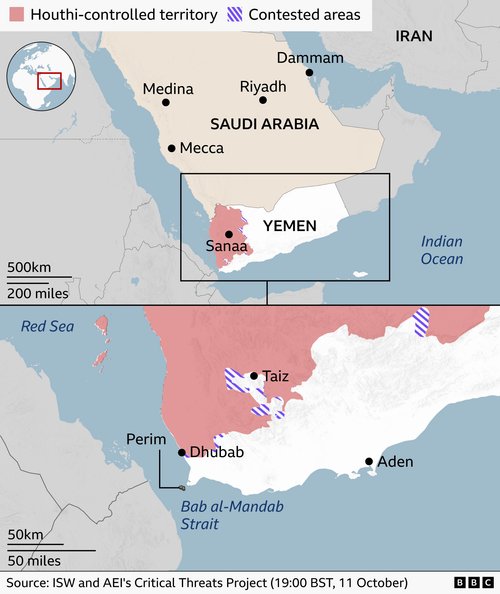
Last week, Brent had climbed above $100 amid fears of a tightened global supply line through the Strait of Hormuz – a narrow waterway that carries roughly 20% of world oil and LNG shipments.
The current pause follows the US ambassador’s comment that the attacks were halted to give "talks some space" and a confirmation from an Iranian army spokesperson that Tehran had stopped "retaliatory" strikes.
However, the resilience of the conflict remains an issue. Analysts warn that the ceasefire could be temporary, and that the region’s critical chokepoint could again close, leaving markets wary.
The short‑term relief is felt beyond crude: gas prices in Europe have surged, and storage levels have hit historic lows – a situation that could elevate winter prices and extend to 2027, as noted by Wood Mackenzie.
Higher energy costs also ripple into everyday goods. Businesses pass on fuel surcharges to consumers, feeding inflation. This, in turn, prompts central banks to consider rate hikes to curb price rises.
Indeed, the European Central Bank already raised its key interest rate in June, citing the conflict’s inflationary pressures, while the Bank of England now sees a possible rate rise by year‑end rather than a cut. The Bank of England’s upcoming meeting will now likely leave the rate steady at 3.75%.

For more on the ceasefire and market impact, check out the linked analysis on how the US‑Iran pause creates space for talks here.