Political Chaos in Australia's Aftermath of the Bondi Shooting
After the horrific Bondi shooting that took place during a Jewish celebration, political tides in Australia have turned tumultuous. Instead of a day of collective mourning, political leaders engaged in finger-pointing, overshadowing the tragic loss of 15 lives, including a 10-year-old child. Veteran commentator Malcolm Farr criticized the insensitivity of political leaders for prioritizing their agendas over offering due respect to the victims and their families.
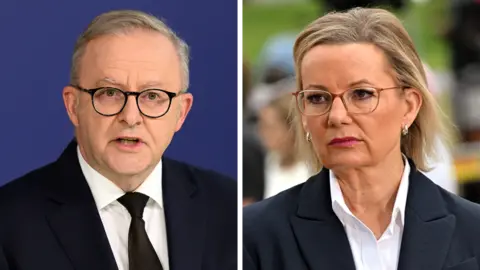
This incident reignited issues around antisemitism in Australia, with accusations aimed at Prime Minister Anthony Albanese for dismissing community calls for a national inquiry into the rising hate crimes. As grief turned to anger, the opposition leader, Sussan Ley, found herself embroiled in controversy as her coalition collapsed due to disagreements over proposed legislative responses.
The atmosphere has become increasingly charged with division surrounding the perpetrators' inspiration, which was linked to Islamist ideologies, contrasting the earlier political unity seen after the Port Arthur massacre of 1996. Observers noted the striking differences in political responses that reveal a society more fractured than ever.
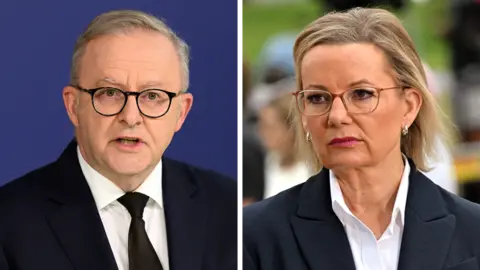
As pressures mount on Albanese, with a significant dip in approval ratings, the tragedy has galvanized calls for accountability and reflection within the political arena. Those who attempted to leverage the tragedy for political advancement must now face the public's growing cynicism toward party politics.