In brief
The government’s pause on the new dress code law indicates growing tensions between authorities and a younger generation advocating for personal freedom.
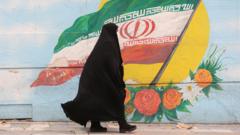
In a surprising move, Iran's National Security Council has decided to pause the controversial "hijab and chastity law" just days before it was set to be enforced. President Massoud Pezeshkian described the legislation as "ambiguous and in need of reform," hinting at a need for reassessment. This proposed law aimed to impose harsher punishments on women and girls for showing their hair, forearms, or lower legs, and made non-compliance a serious offense, leading to heavy fines and up to 15 years in prison.Human rights activists have long criticized such stringent dress codes, viewing them as tools for oppression rather than public safety. The outcry intensified following the arrest of popular Iranian singer Parastoo Ahmadi, who was detained for performing a virtual concert without her hijab, leading to substantial backlash when she was quickly released.The hijab debate gained momentum after the 2022 nationwide protests sparked by the tragic death of Mahsa "Zhina" Amini, which drew international attention. More than 300 activists and journalists have called the new hijab law "illegitimate and unenforceable," urging President Pezeshkian to uphold his campaign promises of non-interference in women's personal choices.Support for progressive laws is growing among younger Iranians, who openly defy the regime's restrictions, challenging the government's authority. Despite pressure from hardline factions advocating for strict enforcement of hijab policies, the government’s pause shows a reluctance to instigate further civil unrest. As this story unfolds, many eyes are on Pezeshkian and his ability to navigate the intricate landscape of Iranian governance and women’s rights.