In brief
The US Secret Service keeps presidents safe through elaborate distraction tactics—until a recent Air Force One swap in Turkey that rattled security experts. On July 8, President Trump stepped onto Air Force One, only to be whisked off in a catering truck to a C‑32A, a n‑arrow flight to RAF Mildenhall. Former agents reveal the “shell game” of swapping vehicles, helicopters and even unmarked exec jets to confuse potential attackers, a practice dating back to Bill Clinton’s unseen jet landing in Pakistan. The incident sparked questions about threat levels and the agency’s decision to keep details confidential. Security officials say flexibility is key, especially abroad. This story unpacks how presidents bide turf, the tactics behind the mask, and why the public rarely hears the full playbook.
Inside the Secret Service’s Shell Game
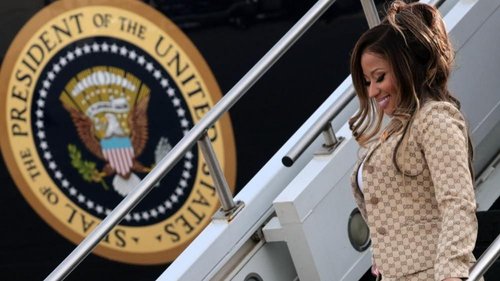
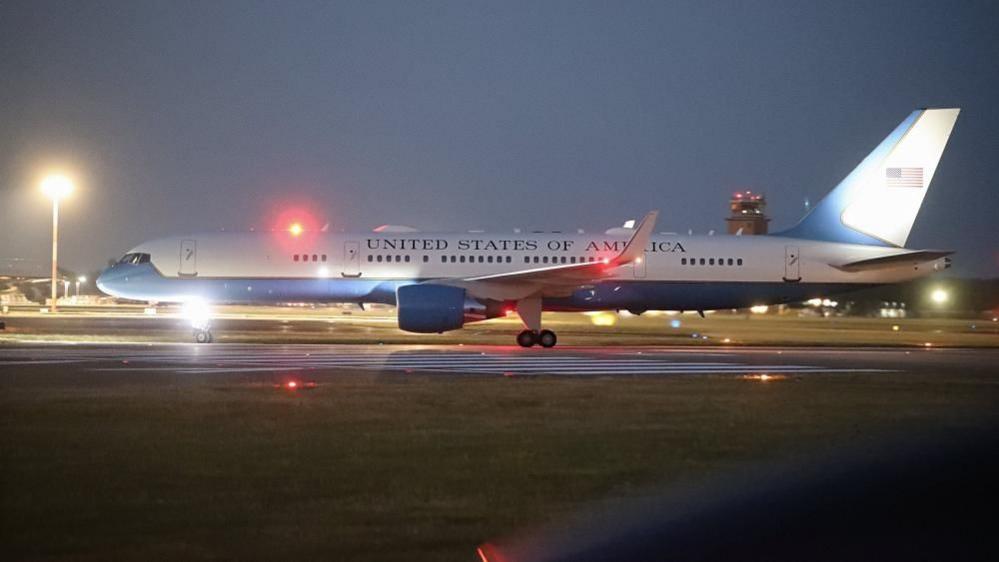
When President Donald Trump climbed aboard Air Force One on 8 July in front of cameras in Ankara, he looked ready for a heads‑up flight back to the U.S. But the secret service, trained to keep the First‑President safe, had a top‑secret flicker of a plan: the jet would be swapped, not once but twice, as it left Turkey and headed for RAF Mildenhall in the UK.
After the arrival of the blue Boeing at the Turkish base, Biden‑TR were pulled onto a catering truck and ferried to a C‑32A, the military version of the 757. That jet lay on a runway in a darkened sky as Trump – allegedly under a more discreet jet – glided into the UK, leaving the jet in Turkey to curl into the sunset. All the while, cameras kept rolling, unaware of the covert swap.
The Decoy Playbook
Such moves are an old trick by the Secret Service. “It’s a very common shell game, even in DC,” said former agent Robert McDonald. A motorcade often contains two “Beasts” – the armored limousines – switching positions in order to trick anyone that might be trying to target the President. Helicopter rides are also scrambled in sets of three, swapping places, so enemies can’t tell which chopper actually carries the leader.
Historically, the practice has been employed on high‑risk overseas trips. In 2000, Bill Clinton landed in Islamabad on an unmarked jet after a decoy in Air Force One’s livery, while in 2010, President George W. Bush went from Iraq to a blacked‑out flight back home. In each case reporters aboard were told to keep blinds up and not report the weird swaps.
Did Trump Get Stuck in a Chicken Coop?
The reasons for the swap remain fuzzy. The Secret Service has not commented, and the White House simply confirmed they use every tool to protect the president. Analysts believe the threat level in Ankara was high enough that the tactical scramble was executed down to the last detail.
Former CIA veteran Marc Polymeropoulos points out that the secret operation was never meant for the public; the agency values secrecy over transparency. In a world where a trip could become an “explosion with a name on it,” a few hands on the console could decide how to keep the First President safe—hardly something for journalists to shout from the rooftops.
At the end of the day, the Secret Service lives and breathes carefully‑hidden maneuvers. They swap jets, change vehicle positions, and keep the press in the dark, all for one question: how to stay in the shadows for the people who're always in the spotlight.