In brief
Rugged heaps of concrete and dust have swallowed whole towers in La Guaira, Venezuela, after a mud‑slide‑triggered quake. Rescuers stop the highway machines and freeze the noise, hoping a living voice will rise out of the rubble. A dozen volunteers, including a 66‑year‑old biologist and a young man from Puerto La Cruz, keep digging, while local communities wait anxiously. The hope of survival drifts amid continuing fears as authorities criticize the slow response. Families report that even after days of effort, bodies remain hidden and rescue chances shrink.
Rugged piles of concrete, iron, and dust stretch across a once‑busy beach in La Guaira. People hammer and pry, hoping to unearth secrets buried underneath.
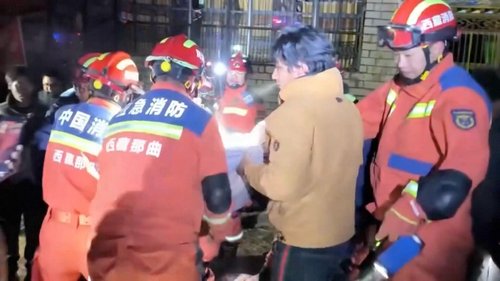
In the silence that follows, rescuers shut down engines and cranes. They wait, breathing shallow, hoping a faint voice will let them know there’s still someone alive.
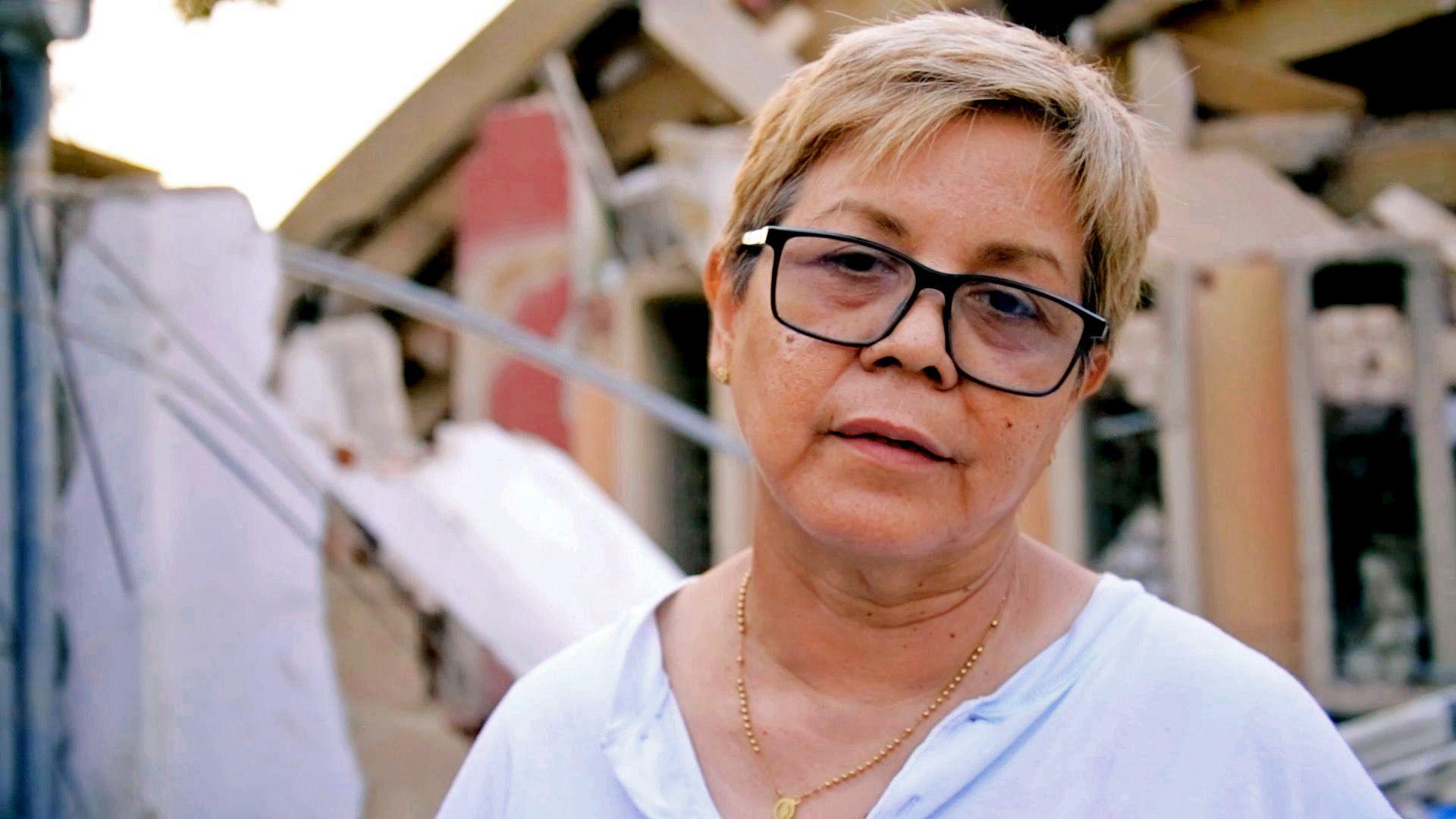
A 66‑year‑old biologist, Zuly Marín, remembers her niece and brother‑in‑law locked in the wreckage. She believes the delay in rescue carried a cost of lives lost.
One volunteer, Ronnie Navarro, travelled 350 km from Puerto La Cruz to pull out a family member. He stays on, refusing to concede even as the rubble darkens.
Local families see heavy machinery move, yet hear that its use should pause until search is officially called off. The tension is as palpable as the crumbling towers.
When the first suspected voice breaks the silence, the hope spikes. It rises to didactic lament, and flushes of anger surface as rescue workers show that even the smallest noise can matter.
Inside the rubble, bodies lament. Bodies rise slowly, with no surge of definitive sound, marking the difference between hope and grim acceptance.
For the people in La Guaira, rescue and silence are the same breath, the same stillness. They continue in disbelief and in sweat, forever surrounded by the towering wreckage, sampling the dangerous glimmer of a potential survivor’s call.