In brief
As the Super Bowl approaches, the NFL faces pressure regarding immigration policies linked to the event. A significant petition is calling for the league to denounce the potential presence of Immigration and Customs Enforcement at the game. Meanwhile, the halftime show will feature Bad Bunny, a vocal critic of the Trump administration, promising a performance rife with political undertones.
As the Super Bowl readies for kickoff, the event has morphed into a serious political platform, majorly influenced by the upcoming performance from Bad Bunny. This year, the spotlight is on the concerns surrounding Immigration and Customs Enforcement's (ICE) attendance at the game, following widespread outcry over stringent immigration policies under the Trump administration.
Over 184,000 people have signed a petition delivered by MoveOn urging the NFL to explicitly denounce ICE’s potential presence during the event at Levi's Stadium in San Francisco. The certified crowd is pushing for a statement from the league acknowledging the complexities tied up in the immigration debate.
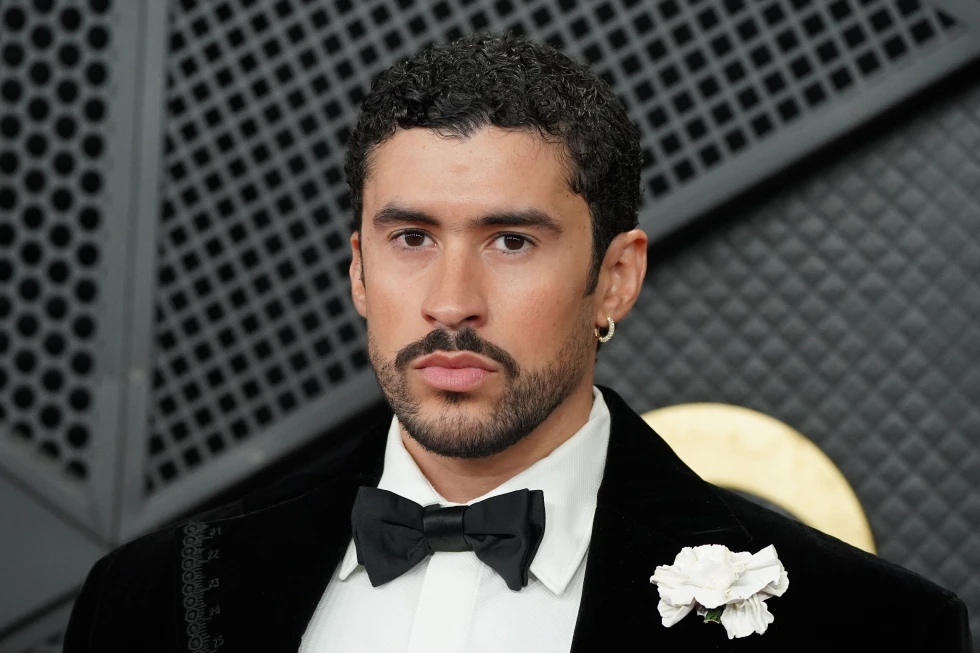
Coincidentally, the halftime show will be headlined by Bad Bunny—a groundbreaking artist from Puerto Rico who is no stranger to political controversy. Known for his outspoken criticisms of the Trump administration, particularly concerning his treatment of Puerto Rico, he is expected to infuse his performance with messages of resistance and pride that resonate deeply with many fans.
Former NFL player Tiki Barber commented on the unusual fusion of politics with sports, stating, “The Super Bowl is supposed to be an escape from serious societal issues. I hope it doesn’t devolve.” As excitement for Bad Bunny builds, the discussion around the social implications of his halftime performance amplifies, especially considering how divided public opinion appears to be over his inclusion.
This year’s game encapsulates a cultural moment more than just a mere sports event, turning it into a hotbed of political expression and public discourse, challenging the traditional views of the Super Bowl as an apolitical spectacle.