In brief
Elizabeth Tsurkov, a 39-year-old doctoral student, was held captive in Iraq for over two years and endured extreme torture. Freed in September, Tsurkov details her abuse and the psychological scars it left behind. She now seeks to heal while advocating for both her studies and the plight of those suffering under similar circumstances. Her experience highlights broader issues of corruption and insecurity in Iraq.
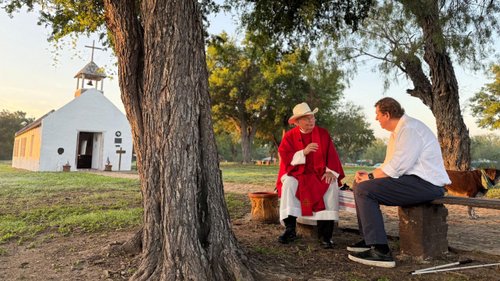
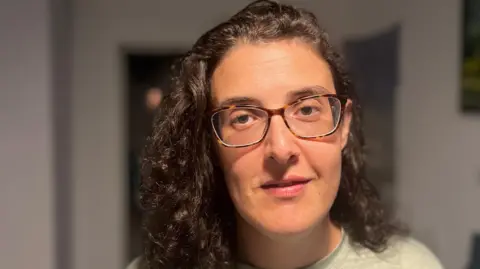
An Israeli-Russian woman held captive for two and a half years by militants in Iraq has told the BBC how she invented confessions to try to get her captors to stop torturing her. Elizabeth Tsurkov, who was freed in September, says she suffered extreme abuse for 100 days, leaving her physically and mentally scarred. Warning: This article contains distressing content including descriptions of torture. My health is not great, Ms Tsurkov says. The interview she gave to BBC Newshour was conducted in central Israel, propped up on a bed. It is now almost three months after her release from captivity in Iraq, where she was held for 903 days. The first four and a half months had been particularly brutal: she was, she says, trussed and hung from the ceiling, whipped, sexually abused, and electrocuted.In March 2023, Ms Tsurkov, a 39-year-old doctoral student at Princeton University in the US, was living in Baghdad, conducting fieldwork for her PhD in comparative politics. She agreed to meet a woman who described herself as a friend of a friend. The woman never showed up. Ms Tsurkov started walking home. She says that a car pulled up behind her and two men dragged her in, beating and sexually assaulting her. She was driven to the outskirts of the capital.During the first month, they starved me and interrogated me, but at the time they didn't know about my Israeli citizenship. They're simply convinced that all foreigners are spies. Ms Tsurkov had insisted that she was a Russian citizen. But then the kidnappers accessed her phone, and because I'm not a spy and don't have multiple encrypted devices, everything showed that I'm Israeli. That was when the torture started: electrocutions, beatings, whippings, sexual abuse, and what she calls Middle Eastern specialities such as being hung from the ceiling with hands cuffed behind her back.Ms Tsurkov believes she was held by members of Kataib Hezbollah, a powerful Iran-backed militia in Iraq. In the brief periods between torture, she tried to strategise to avoid further abuse, which included creating false confessions based on her captors' conspiratorial worldview. Nonetheless, her torturers became both greedy and relentless.After enduring 100 days of horrific treatment, there was a shift, and she was moved to another location. While the torture ceased, her solitary confinement continued. Her eventual release was facilitated by political pressure involving US businessman Mark Savaya, who threatened retaliation if she wasn’t freed.Now in Israel, Ms Tsurkov is focusing on her recovery while continuing her PhD. She has called attention to the corrupt systems in Iraq and the dire circumstances facing its citizens. She shares that since her return, she has been grappling with PTSD, echoing shared feelings of insecurity among Israelis due to current events. Despite her challenges, she remains determined to heal and advocate for change.