In brief
When Indiana's congressional maps were redrawn four years ago, they were celebrated as 'fair.' However, recent efforts led by Governor Mike Braun aim to reshape these lines for Republican gains, showing that the definition of fairness has become contentious. As redistricting continues across the U.S., split communities and distorted representation threaten to undermine democratic ideals, especially for minority voices in Congress.
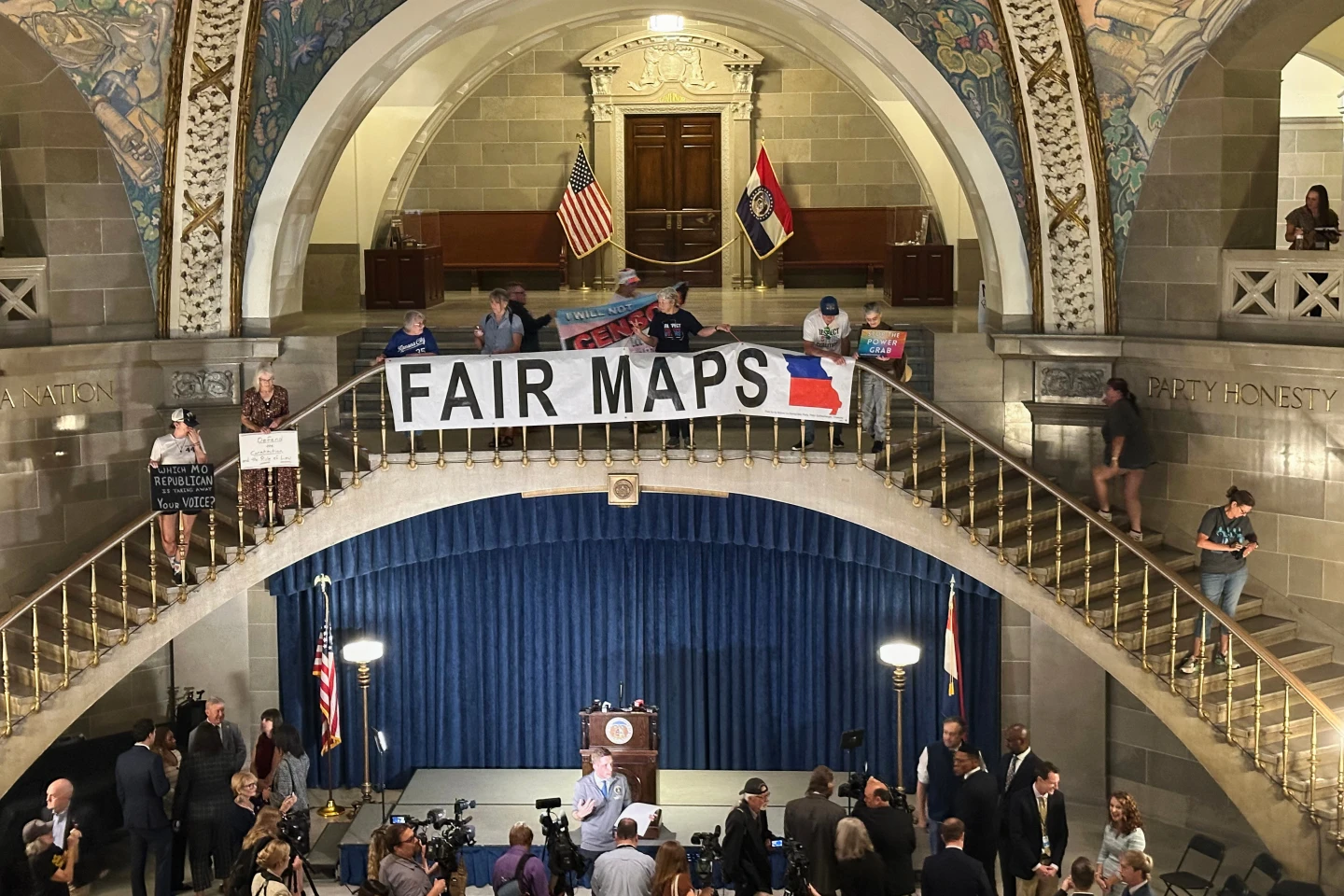
When Indiana adopted new U.S. House districts four years ago, Republican legislative leaders celebrated them as 'fair maps' reflecting the state's communities. However, Governor Mike Braun's recent attempts to redraw these lines aimed to bolster Republican power, igniting a debate around what 'fair' truly means.
As states engage in mid-decade redistricting—prompted in part by political shifts and pressures—both parties manipulate definitions of fairness to justify creating maps that may divide communities to achieve skewed political outcomes. This fight is not limited to Indiana; states including Texas, California, and North Carolina have also seen districts reshaped with similar justifications.
The implications of this redistricting involve a potential reduction in minority representation and the dilution of community voices in Congress. Experts argue this shift undermines the intended diversity of the House, which should ideally represent various demographics and perspectives.
Some community members have voiced concerns that their opinions are drowned out by partisan maneuvering, while proponents of the new maps argue that they merely reflect the political majority's strength. With uneven benefits across different demographics, the struggle over these definitions of fairness continues to escalate, endangering the integrity of democratic representation and averting the engagement of diverse community voices.