In brief
When Tukaram Mundhe took charge of Maharashtra’s Food and Drug Administration in May, he set off a wave of surprise inspections that exposed cockroach‑laden kitchens and rotten veggies even in upscale clubs. The crackdown was filmed, shared on Instagram and TikTok, and turned Mundhe into a nationwide food‑safety icon with 3.8 million followers. While consumers cheer the instant justice, restaurant owners argue the process is too swift and sometimes unfair, and courts have quashed and penalized a few of his licence suspensions. Despite the controversies, Mundhe’s visibility has sparked a national dialogue about food hygiene and the need for lasting systems that don’t depend on a single person. The challenge: keep the momentum alive once he moves on to the next assignment.
When Tukaram Mundhe became Maharashtra’s new food commissioner last May, he found a state where food safety often stalls behind a glass door. His first raids exposed roaches crawling over countertops, webs draping storeroom walls and piles of spoiled vegetables tucked in dark corners – even in a members‑only club in Mumbai.
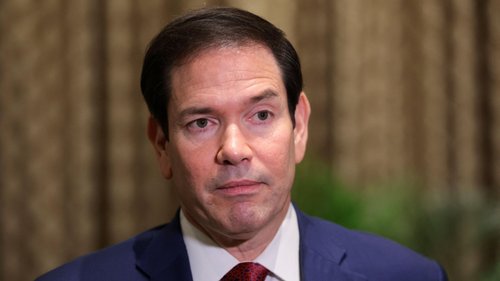
Photo‑journalists and staff videos of these inspections exploded on social platforms, turning Mundhe into a face familiar to millions. Within weeks he amassed 3.8 million Instagram followers and his #FoodPolice tag saw thousands of likes.
Since taking office, his office has run more than 4,000 inspections, suspended approximately 300 licences and issued upwards of 1,000 improvement notices. The crackdown also hit quick‑commerce warehouses, barred celebrities from endorsing unchecked food items and fined store‑keepers who used newspaper wrapping.
Consumers love the transparency – the “see‑it‑to‑believe‑it” ratings and the swift punitive action. In contrast, restaurant groups say the raids are high‑handed, bypass regulatory procedures and sometimes suspend businesses for minor infractions. In August the Bombay High Court even ordered a ₹500,000 compensation payout to a sweets shop after a licence stayed suspended when it was later deemed 98% compliant.
Mundhe insists his actions are lawful and essential, but experts warn that one officer’s zeal may not be sustainable. The goal now is to embed the same stringent standards into the state’s regulatory framework so that every future food‑business—whether a street stall or a corporate cafeteria—must be inspected fairly and transparently.