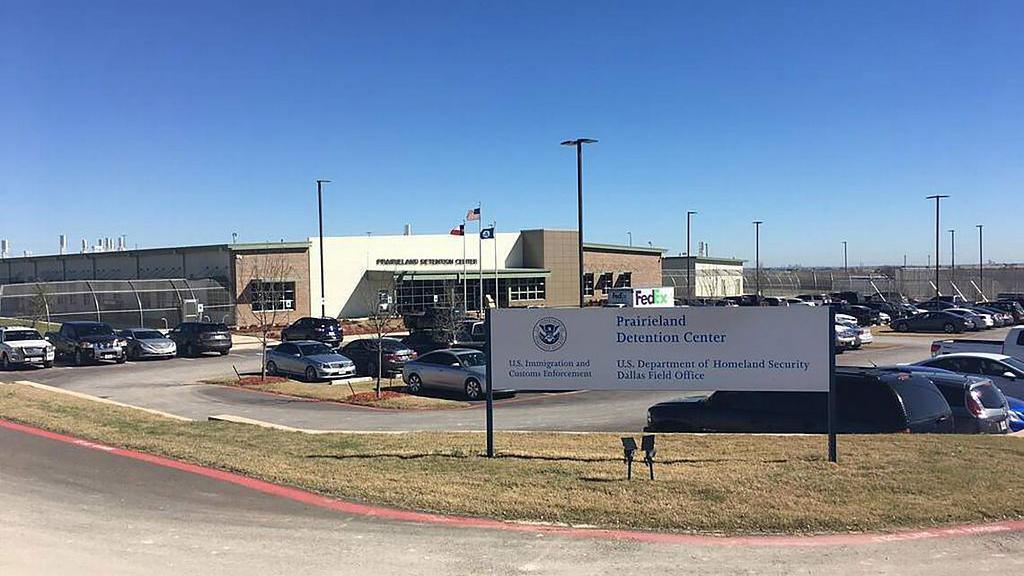
At the peak of the crackdown, carloads of masked immigration officers were common in several states, leading to thousands of arrests each week. The strategy was described as 'turn and burn' by a top Border Patrol commander, with significant force deployed in various public locations. By December, arrests peaked nationwide, but the narrative shifted dramatically after unsettling incidents raised public concern.
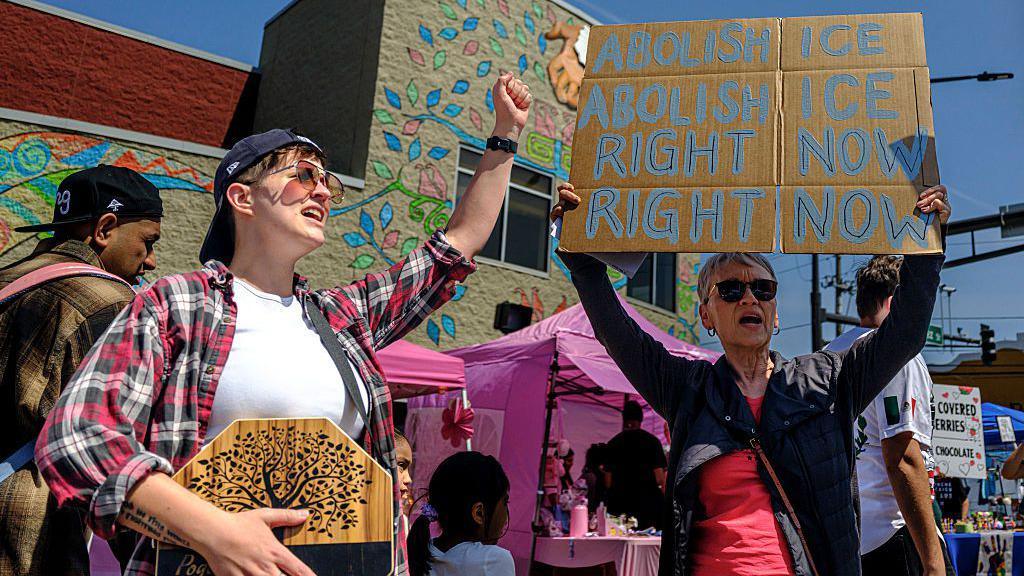
In late January, tragic incidents involving American citizens precipitated changes in immigration enforcement strategies, leading to a drop in ICE arrests by nearly 12% in the following weeks. Public sentiment was notably against the heavy-handed tactics, prompting a shake-up in immigration leadership and a reevaluation of practices.
According to an analysis, while some states like Kentucky reported increased arrests, others like Minnesota and Texas showed marked declines—reflections of a patchwork enforcement model. Current practices hint at possible shifts toward a more measured approach in immigration enforcement, signaling that public opinion is shaping policy.
An investigation reveals that many individuals arrested were not necessarily the 'worst of the worst,' as previously claimed by the administration, highlighting a complex reality beneath the surface of immigration policies. Advocacy groups are watching closely, suggesting that changes may be underway, even if modest.