While some West African nations are choosing to cement old ties with France and others cultivate a new relationship with Russia, one country is trying to have the best of both worlds.
As the recently attempted military coup in Benin collapsed, the rebels' leader made a discreet escape into Togo. This situation exemplifies Togo's diplomatic agility under President Faure Gnassingbé, who skillfully cultivates relations with various international partners.
In a bid to avoid conflict, Togo has emphasized its friendship with neighboring Burkina Faso and military governments of Niger and Mali, while not openly supporting the rebellion in Benin.
Despite meeting with French President Macron to strengthen ties, Gnassingbé later visited Moscow to formalize a military partnership with President Putin, allowing Russian naval access to Togo's strategic deepwater port.
This evolving relationship reflects Togo's intent to diversify its international connections further, which they argue should not be seen as choices between colonial legacies.
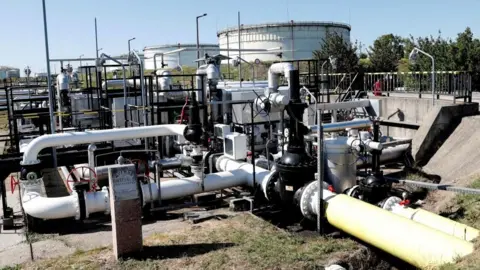
Togo's strategic geographical position and infrastructure, including major ports and transportation corridors, enable it to maintain significant influence across the region.
Nonetheless, following political unrest and a crackdown on dissent, the Togolese government has hinted at possible leniency towards jailed protesters, suggesting that even with its international maneuvers, internal political stability remains a pressing challenge.