In brief
The Munich Security Conference this year is marked by a heavy Trump influence, a year after US Vice President JD Vance's controversial speech challenging Europe's policies. With the US now urging Europe to take more responsibility for its defense, questions about the transatlantic alliance's future loom large. The Greenland debacle highlights ongoing tensions, as nations grapple with US demands and shifting security dynamics amidst rising threats from Russia.
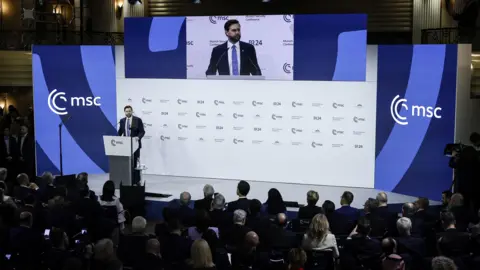
It has been a year since US Vice-President JD Vance delivered a bombshell speech at the Munich Security Conference, criticizing Europe on migration and freedom of speech while highlighting internal threats as the greatest risk. Since then, Trump's administration has disrupted traditional alliances, imposing tariffs on allies, engaging in aggressive actions like the Venezuela raid, and mediating the Ukraine crisis favorably towards Russia. This year's conference promises to be pivotal, featuring US Secretary of State Marco Rubio among over 50 world leaders as European security faces growing uncertainty. The 2025 National Security Strategy urged Europe to become self-reliant in defense, raising concerns about the US's commitment to Europe. Disputes over Greenland have further strained relations; Trump's insistence on acquiring the territory unsettled international ties. Even though the crisis over Greenland is currently on hold, the Munich Conference looms with questions about the durability of US-European security ties. Analysts suggest these relationships have altered but not collapsed, emphasizing the need for Europe to shoulder more defense responsibilities, a sentiment echoed by former MI6 chief Sir Alex Younger. However, doubts remain about the US's reliability in a crisis, especially given Trump's unpredictable nature. The upcoming conference could clarify transatlantic relations, though the outcomes might not align with European hopes.