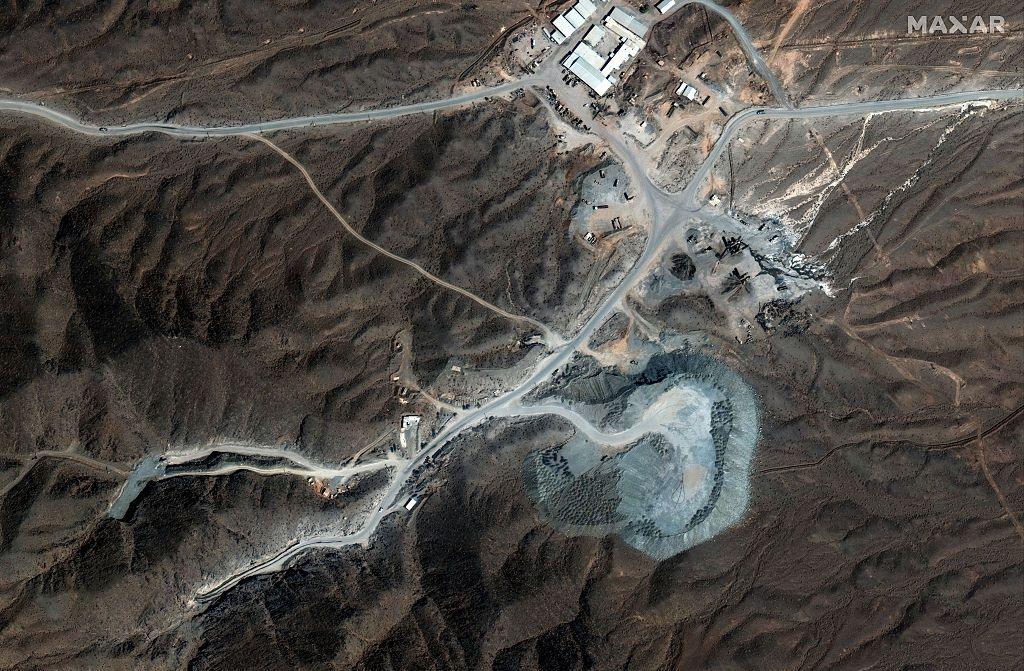
A UN warning over Iranian nukes

The world’s nuclear watchdog, the IAEA, has told the UN Security Council that Iran is not cooperating with inspections. After a vote that stunned diplomats, the council will now have to decide whether to impose new sanctions or other measures.
The IAEA says Iran has not shared data on its stockpile of highly enriched uranium and has blocked inspectors from visiting key sites. Tehran points to U.S. and Israeli bombings of those sites as the reason for its protection of them, and says inspections are therefore unsafe.
The Council’s decision is historic – it is the first time in twenty years that a country has been sent to the Security Council by the IAEA. The move signals that the global community feels nuclear safety is a bigger risk now than it was last decade.
Because China and Russia can veto sanctions, the pressure on Iran may be limited. Still, the public naming of Iran is a clear warning that the world is watching and expecting action if the situation escalates.
At the heart of the issue: Iran claims its nuclear work is peaceful. Yet Western states, after the 12‑day nuclear conflict in June 2025, say they have evidence that the country’s enriched uranium could quickly reach weapons‑grade levels. More than 400 kilos of 60% enriched uranium were reported, enough to upgrade to 90% for a bomb.
The IAEA’s call is part of a larger push for a political settlement that would bring the war to a halt and allow safer inspections. Iran’s stance – that it will only allow inspectors when a peace settlement arrives – puts the UN on a tightrope.
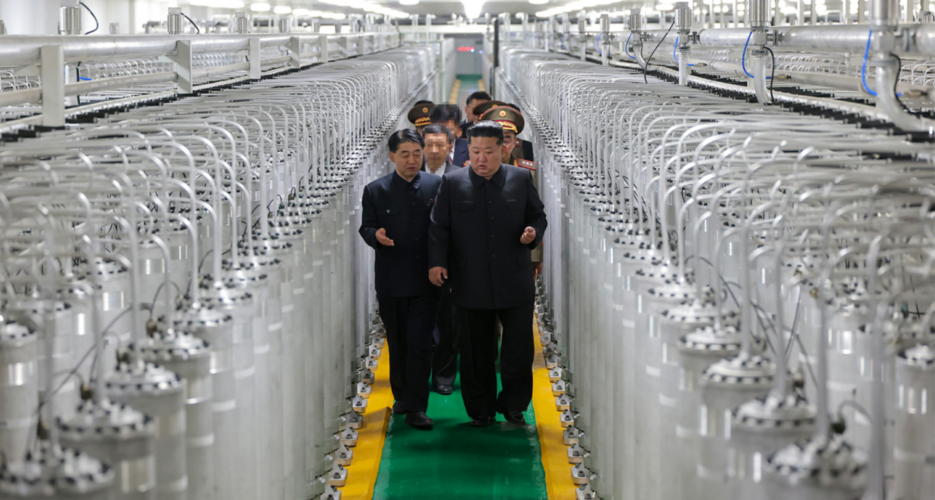
- Key sites: Natanz, Fordo, and other underground facilities.
- Recent strikes: U.S. and Israeli attacks have blocked inspections.
- Potential outcomes: new sanctions, diplomatic isolation, or a peace deal.
The story is still evolving. Stay tuned for updates on sanctions, diplomatic talks and how this moment could shift Middle Eastern security around the globe.