In brief
A fresh fossil from northeastern Thailand has led to the naming of a new dinosaur species, Uragasaurus kalasinensis, which lived ~150 million years ago. The plant‑eating beast boasted a neck the length of a cricket pitch and could reach up to 20 m in length. The discovery was based on a distinctive dorsal vertebra that showed unique air‑cavity structures, setting this species apart within the Mamenchisauridae family. The find is the first of its kind in Thailand, expanding our knowledge of late Jurassic dinosaurs in Southeast Asia. Palaeontologists praised the excitement of unearthing a new species while ensuring it joins the global roster of long‑necked giants.
Palaeontologists in Thailand announced the discovery of a new dinosaur species – Uragasaurus kalasinensis – based on fossils uncovered in Kalasin Province, in the country’s northeastern region.
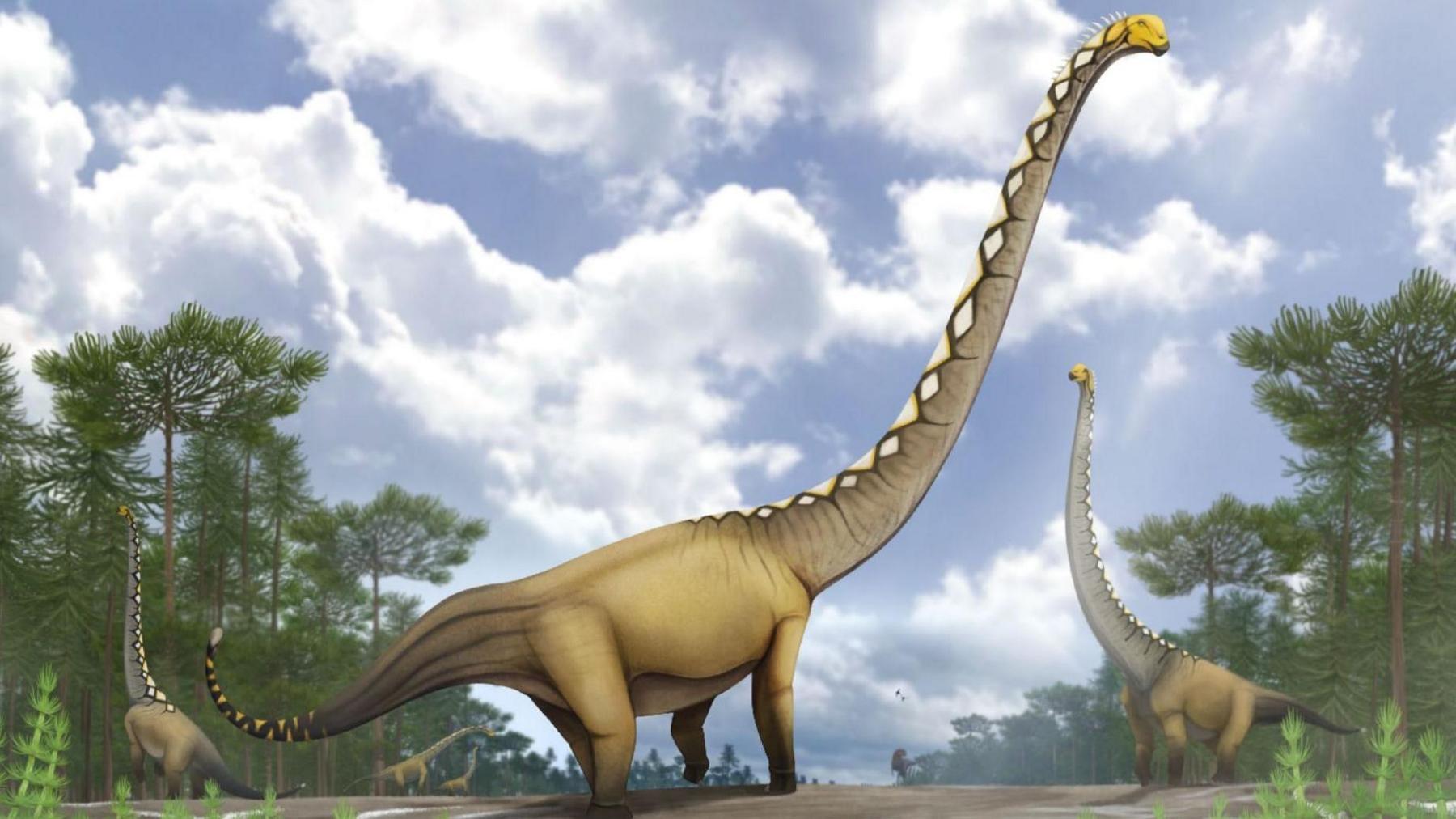
The herbivore, estimated to have roamed the earth around 150 million years ago, possessed an impressively long neck and could grow up to 20 m (66 ft) in length, roughly the span of a cricket pitch.
Dr Apirat Nilphanaphan, lead author of the study and a researcher from Mahasarakham University, explained that the specimen came from a collection originally found in 2008 when local villagers spotted serpent‑like bone fragments in the area known as Phu Noi.
Analysis of the recovered dorsal vertebra using CT scans revealed that the dinosaur belonged to the Mamenchisauridae family – a group of sauropods famous for their towering necks that allowed them to feast on vegetation high in the canopy.
While most Mamenchisauridae fossils have come from China, this marks the first discovery of the family in Thailand, underscoring the region’s rich, yet under‑explored, Late Jurassic fauna.
The CT analysis also uncovered an unusual Y‑shaped arrangement of laminae – the supportive bony bars within vertebrae – and a distinctive air‑cavity structure that, according to Dr Nilphanaphan, sets Uragasaurus apart from any known dinosaur.
He described the moment of discovery as exhilarating, joking about smashing his keyboard in excitement when the new species was confirmed. The study, published in the journal Nature this week, adds a fresh perspective to the evolutionary story of long‑necked dinosaurs.