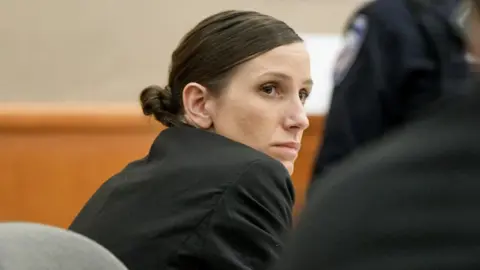
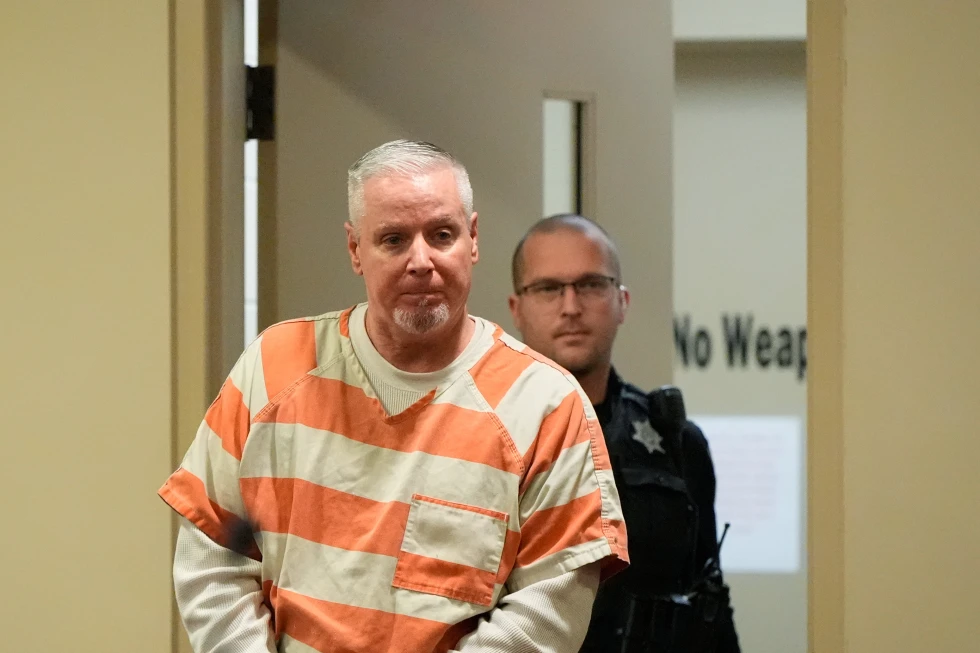
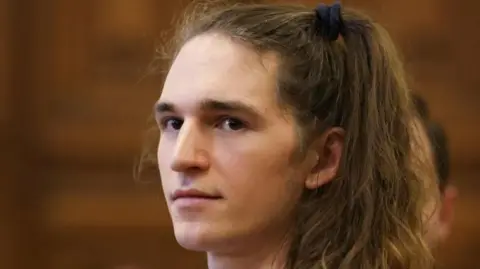
On Tuesday, prosecutors rested their case in the trial against Adrian Gonzales, a former police officer from Uvalde, Texas, accused of not intervening during the tragic Robb Elementary School shooting in May 2022. Over the past week, jurors have heard emotional testimonies from teachers and parents affected by the tragic events that claimed the lives of 19 students and two teachers. The prosecution's argument hinges on the claim that Gonzales, who had undergone active shooter training just two months prior, failed to act decisively in a critical time. Gonzales has pleaded not guilty to 29 counts relating to child abandonment and endangerment, with the potential for a two-year sentence if convicted. The jury has also been presented with graphic evidence from the attack, including photos and recorded gunfire. Defense attorney arguments suggested that Gonzales did not see the shooter and was following protocol amidst chaos, highlighting the complexities involved in crisis management. As the trial progresses, the discussions surrounding police response continue to stir public interest and debate.
Uvalde Officer Trial: Emotional Testimonies and Delayed Responses Under Scrutiny
Uvalde Officer Trial: Emotional Testimonies and Delayed Responses Under Scrutiny
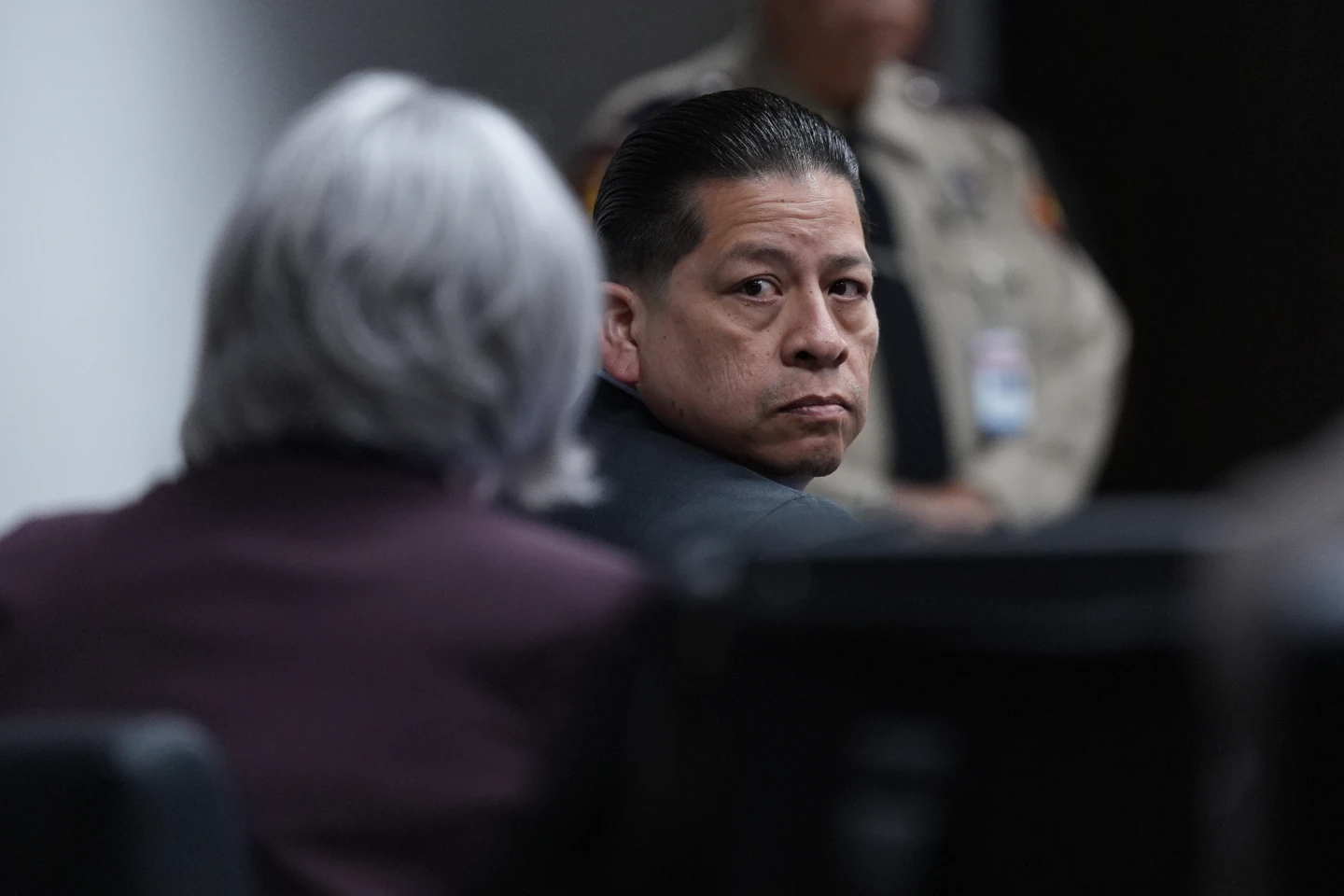
The trial of Adrian Gonzales, a former school officer in Uvalde, Texas, has drawn attention for the emotional testimonies surrounding his alleged failure to act during the 2022 school shooting. As the prosecution rests its case, the impact of timely police response is being questioned.
Prosecutors have concluded their case against Adrian Gonzales, a former Uvalde school police officer, who faces charges for failing to respond adequately during the 2022 Robb Elementary School shooting. The trial highlighted emotional testimonies from teachers and parents recalling the tragedy that resulted in the deaths of 19 students and two teachers. Gonzales is accused of not acting swiftly enough to stop the gunman, with the prosecution emphasizing that every second counts in an active shooter situation. The case has drawn significant attention due to its rarity, as few officers face charges for delayed reactions during emergencies.