In brief
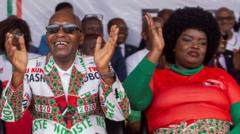
Burundi is gearing up for elections amid tough economic conditions and political pressures, as the ruling party aims to maintain its grip on power.
Despite facing soaring inflation and fuel shortages, voters in Burundi are preparing for elections that may shape the country’s future. The current president, Évariste Ndayishimiye, will remain in his position until 2027, but seats in the National Assembly, Senate, and local councils are at stake. The CNDD-FDD party, which has ruled for two decades, faces criticism as citizens express frustration over rising food prices and claims of political repression. The opposition alleges harassment against their supporters, with many feeling pressured to remain silent. Meanwhile, some party officials have suggested a single-party system, claiming it may lead to national development. With a significant foreign currency shortage and one of the lowest average incomes in East Africa, Burundi's economic outlook appears bleak. While the ruling party defends its record, the opposition and analysts are calling for better governance to uplift the nation's citizens.