In brief
The film "No Other Land" showcases the struggles of a West Bank village while emphasizing the relevance of films in sparking individual and social change.
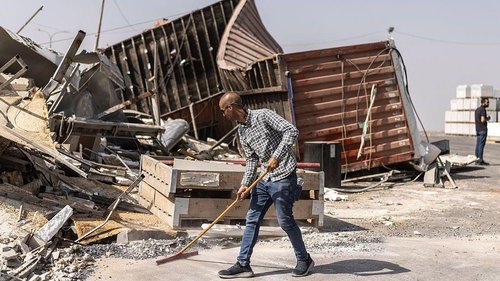
In the West Bank, filmmaker Basel Adra is making waves with his impactful documentary "No Other Land," which has earned Oscar and Bafta nominations for Best Documentary Feature. Adra and his friend, Israeli journalist Yuval Abraham, embarked on a five-year journey to document the struggles of the Masafer Yatta community, whose homes are repeatedly threatened by Israeli military actions following a court ruling deeming the area illegal.The film captures heart-wrenching moments, including the arrest of family members and violence during protests, illustrating the dire impact of government policies. Adra acknowledges the power of cinema, noting that while films might not change the world overnight, they can influence individuals and contribute to gradual societal changes.However, the situation remains tense. Recent conflicts, including escalations stemming from the Hamas attack and resultant military responses, have resulted in escalating violence in the region, with significant loss of life on both sides. Settler-related violence has markedly increased, prompting international concerns over human rights violations.As the film narrates the painful personal stories of the affected villagers, it also reflects on the broader implications of power dynamics between Palestinians and Israelis. Adra and Abraham’s friendship, tested by their unequal social realities, serves as a poignant reminder of the complexities at play. Despite facing backlash for political statements at film festivals and criticism from various groups, both filmmakers are steadfast in their belief that storytelling serves as a catalyst for awareness. Their motive? To spur a transformation in perceptions and to advocate for justice and equality in the region.As Adra concludes, "Change is a process like water – keep dropping it, and eventually it will carve a path.” This documentary embodies that conviction, portraying resilience amidst adversity and a dream for a fair political future.