In brief
Girls are reshaping their futures, gaining confidence and skills on and off the field.
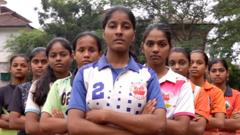
In a small village outside Mumbai, 14-year-old Meena dreams of becoming a professional kabaddi player. The sport, a key part of Indian culture, offers her an escape from the traditional expectations of marriage and domestic life. Kabaddi, played between two teams of seven, involves one player running into the opposition to tag them and return safely. For Meena and others, it symbolizes a powerful opportunity—an alternative to a life bound by household chores.Fifteen years ago, local teachers saw the need for girls’ empowerment. Daji Rajguru, one of the founders, felt strongly that girls should be able to pursue sports and careers. Starting with just two girls, the club faced challenges, particularly parental concerns about safety and marriage prospects. However, the teachers personally reassured families, leading to increased participation.Now, around 30 girls train at the club, and many more have passed through its doors. Meena dedicates four hours daily to training before and after school, even overcoming fears related to early morning commutes. Inspired by former club members like Samreen and Siddhi, who have achieved financial independence through kabaddi, Meena hopes to follow in their footsteps.Success in kabaddi can pave the way for jobs within the public sector, offering girls both financial security and societal recognition. Coaches observe that sports have transformed these young women, enhancing their confidence and altering family dynamics. As the club thrives, more families support their daughters’ aspirations, and community attitudes toward female athletes are shifting positively.The kabaddi club, reliant on prize money, coaching fees, and donations, goes beyond sports. It hosts camps, provides nutrition, and even manages athlete injuries. Despite occasional skepticism over their focus on girls, the coaches emphasize the importance of creating opportunities in sports for young women.“I want to be the best raider and captain of India’s kabaddi team,” Meena asserts, showcasing her determination to redefine her destiny. As the world watches, these girls are not just playing a game; they are championing change.