A groundbreaking mission has launched today, exploring the possibility of growing lab-grown food in space. Funded by the European Space Agency (ESA), this experiment aims to determine if ingredients like steak and mashed potatoes can be cultivated in low gravity and higher radiation environments. As costs for feeding astronauts can soar to £20,000 a day, researchers are looking for more sustainable solutions.
Dr. Aqeel Shamsul, CEO of Frontier Space, believes this could pave the way for manufacturing facilities in space, making it viable for humans living on the Moon and beyond. Currently, lab-grown food, which is produced from cells in bioreactors on Earth, includes options already available in some markets like lab-grown chicken.
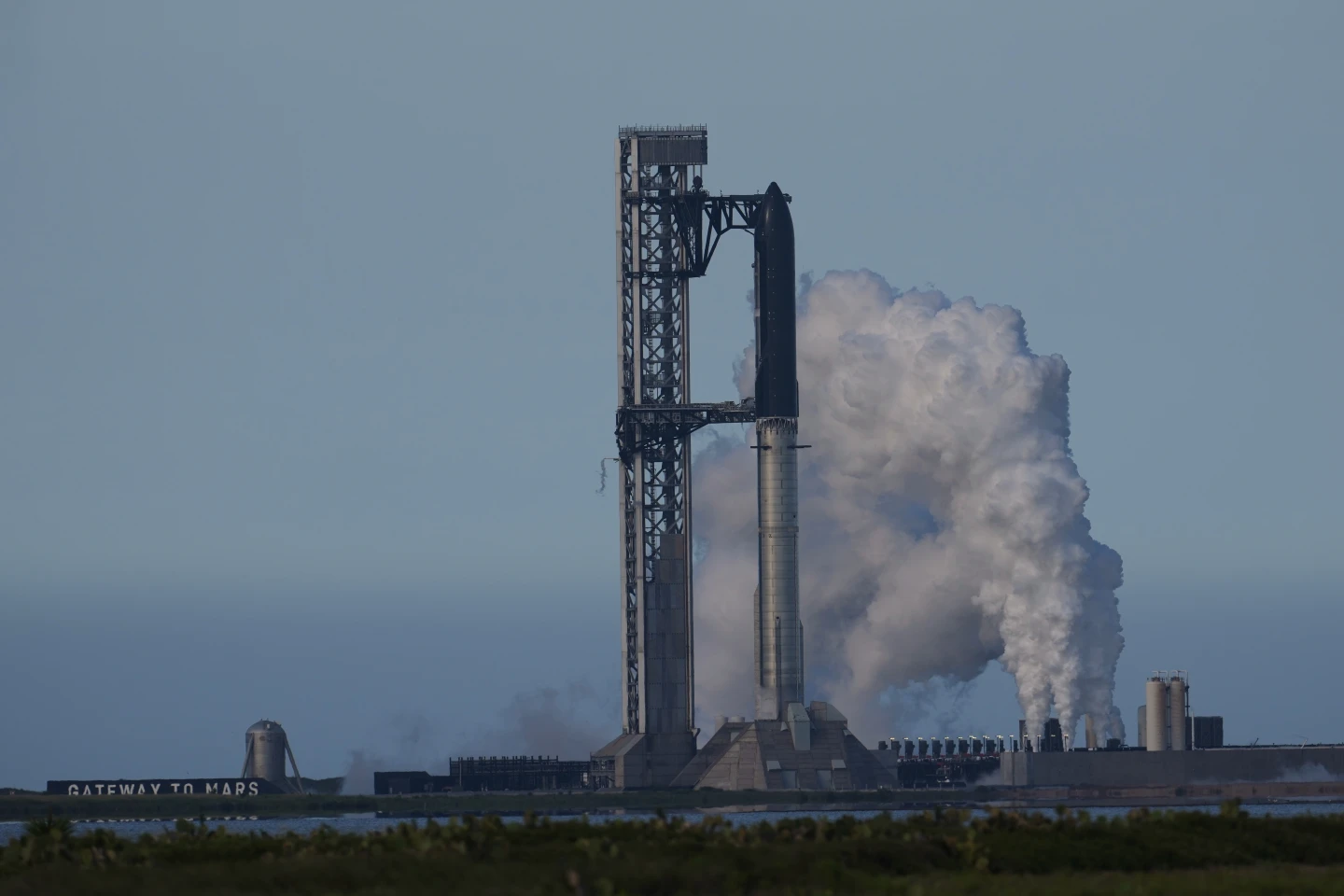
The process is being tested on a small bioreactor launched aboard a SpaceX Falcon 9 rocket, set to orbit Earth for a few hours before returning. Researchers hope to collect data to improve their bioreactor for future missions. While the appearance of the initial product remains unappealing, head chef at Imperial College, Jakub Radzikowski, is experimenting with familiar global cuisines to prepare tasty and comforting meals for astronauts.
Britain's first astronaut Helen Sharman has already sampled some of the culinary creations made from naturally occurring ingredients. She expressed excitement over the potential for lab-grown food to enhance astronaut health and reduce meal costs, emphasizing that a varied and interesting diet could support better nutrition and satisfaction in space.
As space agencies and private companies aim for long-term missions on the Moon and Mars, innovations in food cultivation could be vital to making these ambitious plans a reality.