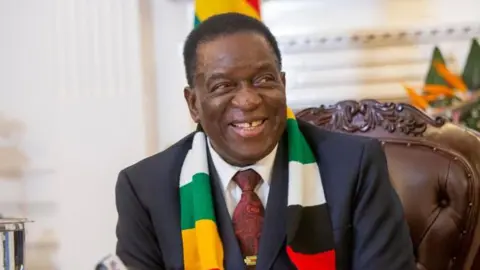
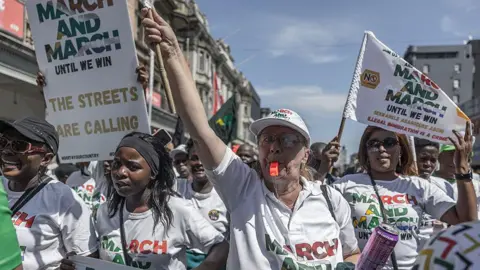
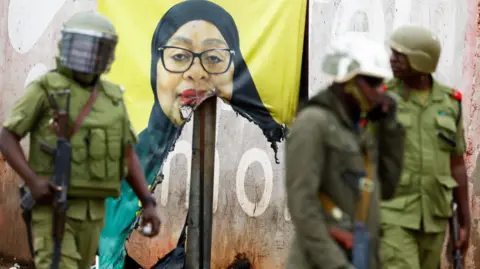
Fears are growing in opposition circles in Zimbabwe that the ruling Zanu-PF party is making a new grab for power as it presses ahead with constitutional amendments aimed at giving parliament - rather than voters - the right to elect the president and to extend his term from five to seven years. This is a coup, a slow coup that is unfolding in Zimbabwe, veteran opposition politician and former finance minister Tendai Biti told the BBC. Zanu-PF, in power since independence in 1980, has vehemently defended the proposed changes, claiming there's nothing that stops them from pursuing a system that's less costly and less controversial. However, the polarizing nature of the draft legislation has heightened tensions between Zanu-PF and opposition supporters. Public hearings have showcased both support for and strong opposition against the amendments, which propose notable changes: the scrapping of presidential elections, extending terms from five to seven years, and delaying the 2028 parliamentary elections to 2030. At recent hearings, crowds rallied behind voices that supported Mnangagwa's extended rule, while dissenters faced intimidation. As the opposition warns of returning to Zimbabwe's dark past, those in favor argue it will streamline governance and curb electoral violence. As parliamentary approval looms, many question whether these changes herald a shift towards a more authoritarian regime, reminiscent of Mugabe's era, or a necessary reform for stability.
Zimbabwe's Future in Turmoil: Presidential Elections on the Chopping Block
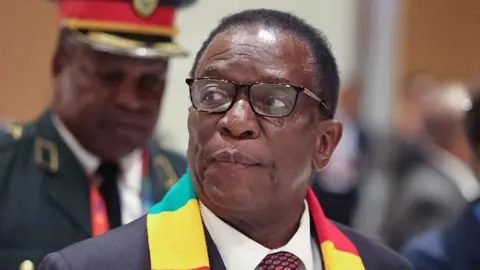
Zimbabwe's Future in Turmoil: Presidential Elections on the Chopping Block
Zimbabwe is facing a significant constitutional crisis as the ruling Zanu-PF party proposes changes that could end presidential elections and extend the president's term. Opposition voices are rising against what they see as a step towards authoritarianism.
In Zimbabwe, a proposal from the ruling Zanu-PF party has stirred deep divides in the nation, aiming to eliminate presidential elections and extend the term length for parliament and the presidency. While party officials argue these changes reduce electoral violence, critics warn that they threaten democracy. With public hearings revealing heated opinions, the future of Zimbabwe's governance hangs in the balance as the nation confronts the implications of these amendments.