In a fascinating study, scientists have uncovered that mummified bodies from ancient Egypt continue to emit surprisingly nice smells, even after thousands of years encased in sarcophagi. Analyzing nine different mummies, researchers reported that while the intensity of the scents varied, they were generally described as "woody," "spicy," and "sweet."
Dr. Cecilia Bembibre, a key team member, explained that they are working to chemically recreate these scents to be displayed at the Egyptian Museum in Cairo. This project aims to share the unique experience of interacting with mummified bodies through their odors, contrasting how we often associate these with horror in pop culture.
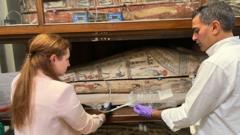
The mummification process involved surrounding the deceased with fragrant oils and balms deemed essential for a smooth spiritual journey to the afterlife. The study's innovative approach employed gas chromatography to analyze smells without physically disturbing the mummies, allowing the researchers to explore new, non-invasive methods in heritage science.
Ally Louks, an English literature supervisor and expert on the significance of smell in ancient cultures, praised this effort as a compelling way to engage the senses and connect with history on a deeper level. This research could also provide insights into the social status of these mummies, hinting at the lavish scents used for pharaohs and elite members of society.
Furthermore, the findings could revolutionize conservation strategies by identifying signs of decomposition through scent analysis, ensuring these remarkable remnants of ancient history can be preserved for future generations. Dr. Bembibre stressed the importance of these insights for conservators, emphasizing the goal of maintaining these collections for the enjoyment and education of posterity.