In brief
Canada's government is pushing through a new bill to accelerate national projects, but it has sparked controversy over Indigenous rights and environmental impacts.
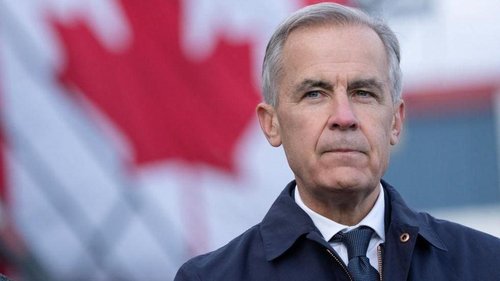
Canada's parliament has made a bold move with the approval of the One Canadian Economy Act, which allows Prime Minister Mark Carney's government to expedite major national projects. This new legislation passed through the Senate and grants the cabinet powers to streamline the approval process while bypassing specific federal law provisions for projects deemed beneficial for the economy.Supporters celebrate this bill as a vital measure to lessen Canada's economic reliance on the U.S., especially with ongoing trade disputes linked to President Trump's tariffs. However, critics—particularly Indigenous groups and environmental activists—are voicing concerns that the law could suppress opposition and overlook essential consultations.While the legislation doesn’t specify which projects will be prioritized, Prime Minister Carney hinted at the construction of energy infrastructures like pipelines and electricity grids, as well as expanding mines and ports. The act aims to dismantle trade barriers, facilitate internal trade, and foster economic growth, with a focus on collaborating with Indigenous communities.Although the government assures that it will consult Indigenous peoples before fast-tracking projects, many leaders have expressed skepticism, fearing their rights and voices might be sidelined. Nova Scotia senator Paul Prosper, from the Mi'kmaq Indigenous group, tried to propose an amendment requiring consent from Indigenous groups before any developments but was unsuccessful. He highlighted the need for adequate consultation time, emphasizing, "We do not want success and progress to come on the backs of Indigenous Peoples."Proponents, like Senator Hassan Yussuff, defend the bill as a necessary response to an urgent economic crisis. As Canada attempts to bolster its economy against tariff threats from the U.S., this law marks a significant step forward for Carney's administration, fulfilling a commitment made during the election to tackle interprovincial barriers by July 1.