In brief
Lee Jae-myung's presidency heralds both hope and challenges for a divided nation.
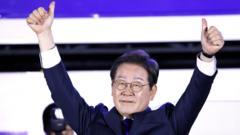
In a significant turn of events, South Korea has elected opposition leader Lee Jae-myung as its new president following months of political upheaval. This change comes after the impeachment of former president Yoon Suk Yeol, whose controversial bid for martial law triggered massive protests and led to his political downfall. As Lee celebrates his hard-fought victory against ruling party candidate Kim Moon-soo, he faces the daunting task of uniting a nation still healing from recent turmoil.Lee's election is seen as a collective response by voters who wanted to reaffirm democracy amidst allegations of corruption that plagued the previous administration. Political analysts note this isn’t a strong endorsement of Lee’s agenda, but rather a rebuke of the ruling People Power Party (PPP). With many political battles ahead, Lee aims to restore confidence and facilitate a new trade deal with the United States, critical for South Korea's economy.Despite the challenges that come with his new role—including a looming trial regarding election law violations—Lee has pledged to prioritize the country's democratic recovery. His journey from political outsider to the presidency is marked by personal struggles and a commitment to stability. As he moves forward, collaboration with the opposing party is essential in bridging the stark divisions within the nation.As South Korea now looks to its future under Lee's leadership, the impact of his presidency may reshape both domestic policies and international relations, particularly with the U.S. amidst current global uncertainties.