In brief
With world markets experiencing a significant drop and fears of a looming recession growing, investors react to economic uncertainties stemming from U.S. trade policies.
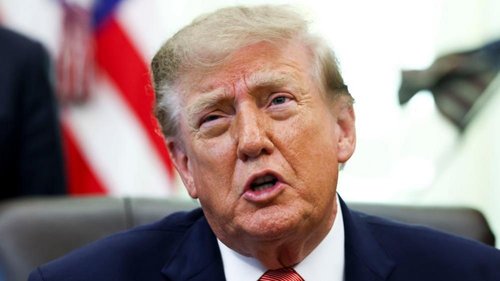
Stock markets globally faced a sharp decline yesterday, influenced by President Trump's recent remarks hinting at potential recession risks due to his trade strategies. The S&P 500 dipped 2.7 percent, marking its steepest fall in several months, prompting widespread concerns among investors. After a Sunday interview where Trump referred to the U.S. economy as being in a “period of transition,” fears intensified about additional tariffs being implemented.The effects rippled through several major tech stocks, crucial players in the market, whose values also saw significant declines. European and Asian markets followed suit today, reflecting the continued selling trend. Analysts from JPMorgan Chase warned of a heightened chance of a global recession, pegging the likelihood at 40 percent.Market volatility is linked not solely to negative tariff news but to the broader uncertainty surrounding the policies and their future trajectory. David Bahnsen, chief investment officer at the Bahnsen Group, emphasized that this uncertainty breeds greater concern among investors.When asked about the potential for recession, Trump remained noncommittal, asserting, “I hate to predict things like that,” and highlighted the significant changes underway. In the political arena, the new U.S. energy secretary promised a shift in climate policies, while tensions surrounding semiconductor programs and trade negotiations with figures like Elon Musk continue to stir debate. As Trump navigates his second term, his approach remains a mix of sweetness and the looming threat of repercussions for dissenting voices within the party.